Uncategorized

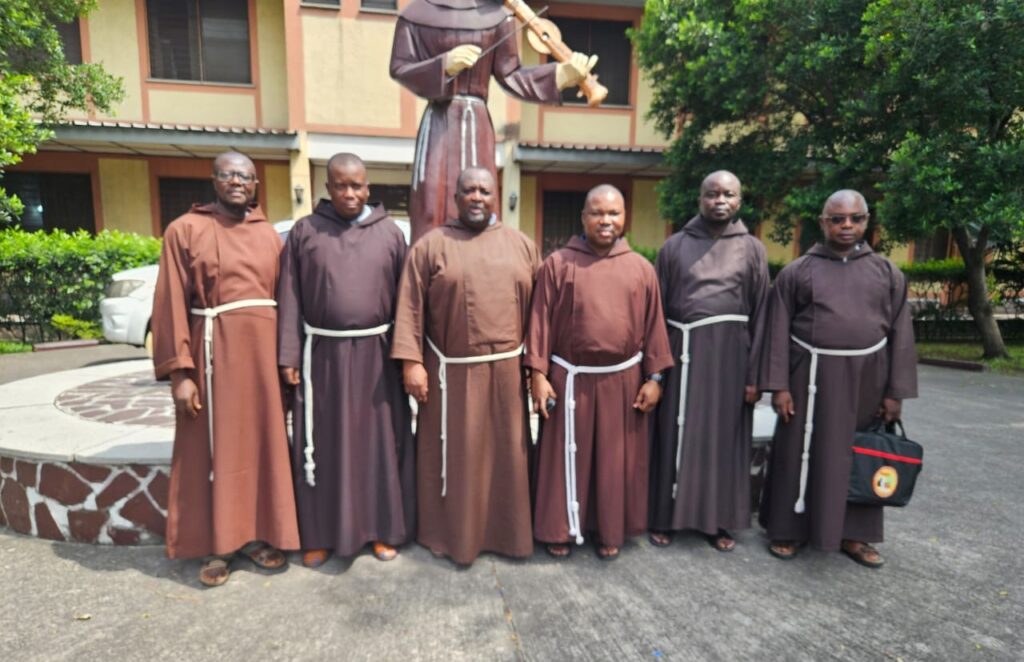
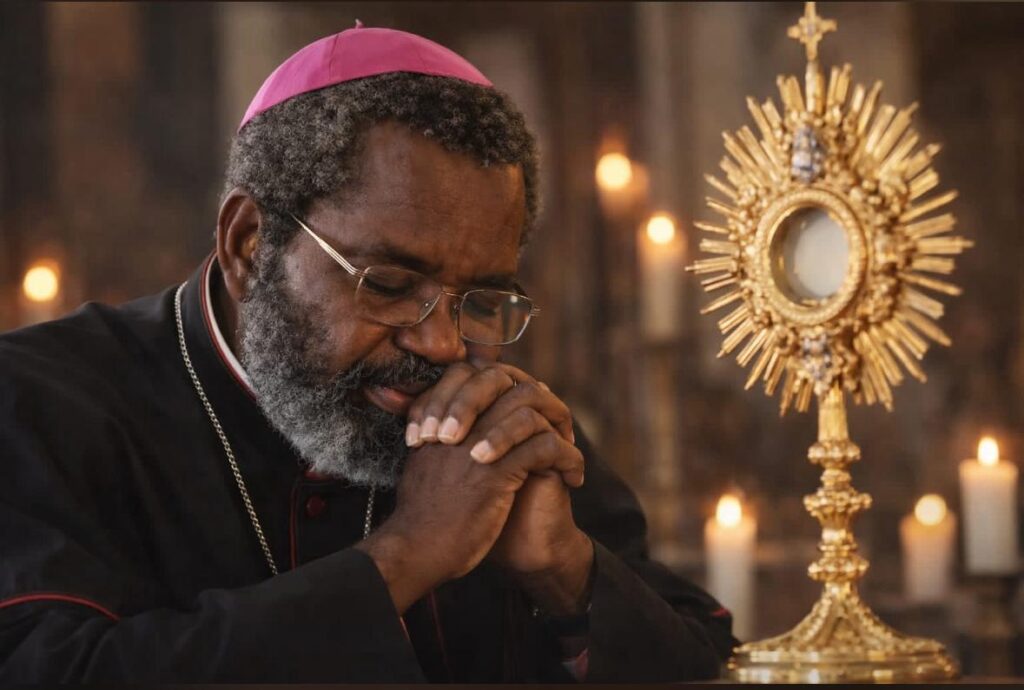
Tchad: Pope Leo XIV, appoints Fr. Jean Miguina, as the new Bishop of Sarh

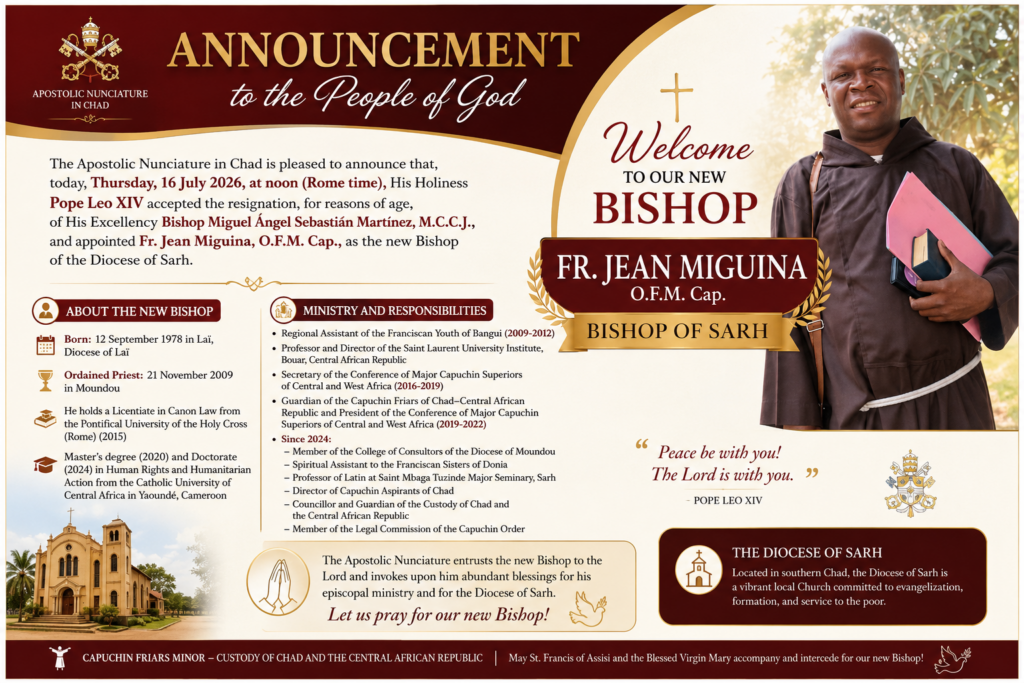
The Holy Father, Pope Leo XIV, has appointed Fr. Jean Miguina, O.F.M. Cap., as the new Bishop of the Diocese of Sarh, Chad. The appointment was officially announced by the Apostolic Nunciature in Chad on 16 July 2026, following the Holy Father’s acceptance of the resignation of Bishop Miguel Ángel Sebastián Martínez, M.C.C.J., who stepped down upon reaching the canonical age limit. The appointment marks an important moment for both the Catholic Church in Chad and the Capuchin Franciscan family, as Fr. Jean Miguina brings to the episcopal ministry extensive pastoral, academic, and administrative experience. Born on 12 September 1978 in Laï, within the Diocese of Laï, Fr. Jean Miguina was ordained a priest on 21 November 2009 in Moundou. Since his ordination, he has dedicated his ministry to pastoral service, priestly formation, higher education, and ecclesial leadership. His early ministry included serving as Regional Assistant of the Franciscan Youth of Bangui (2009–2012). In 2015, he obtained a Licentiate in Canon Law from the Pontifical University of the Holy Cross (Rome). He later served as Professor and Rector of the Saint Laurent University Institute in Bouar, Central African Republic. Within the Capuchin Order, Fr. Miguina has held numerous leadership positions. From 2016 to 2019, he served as Secretary of the Conference of Major Capuchin Superiors of Central and West Africa. Between 2019 and 2022, he was Guardian of the Capuchin Friars of Chad–Central African Republic and President of the Conference of Major Capuchin Superiors of Central and West Africa. Alongside his pastoral ministry, he pursued advanced academic studies, earning a Master’s degree (2020) and a Doctorate (2024) in Human Rights and Humanitarian Action from the Catholic University of Central Africa in Yaoundé, Cameroon. Since 2024, Fr. Jean Miguina has served as a member of the College of Consultors of the Diocese of Moundou, Spiritual Assistant to the Franciscan Sisters of Donia, and Professor of Latin at Saint Mbaga Tuzinde Major Seminary in Sarh. Within the Capuchin Custody of Chad and the Central African Republic, he currently serves as Director of the Capuchin Aspirants, Custody Councillor, Guardian, and member of the Legal Commission, reflecting the confidence placed in his pastoral judgment and canonical expertise. The Diocese of Sarh now welcomes a shepherd whose ministry has been distinguished by a commitment to evangelical service, Franciscan fraternity, priestly formation, and the promotion of justice and human dignity. The Apostolic Nunciature in Chad has invited the faithful to pray for Bishop-elect Jean Miguina as he prepares to begin his episcopal ministry. The Capuchin family throughout Africa and around the world joins the universal Church in giving thanks to God for this appointment and entrusts him to the intercession of the Blessed Virgin Mary and St. Francis of Assisi.

Tchad: Pope Leo XIV, appoints Fr. Jean Miguina, as the new Bishop of Sarh Read More »

Lusaka: EACC Ordinary Meeting

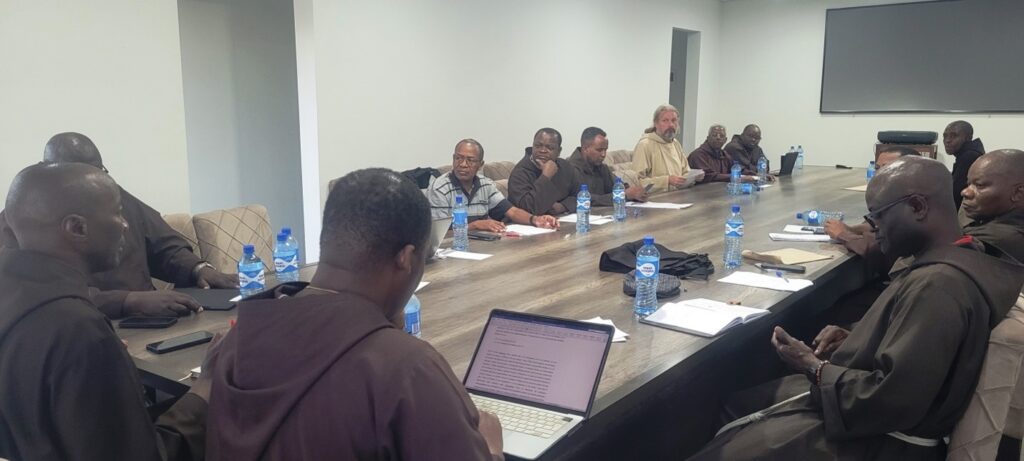
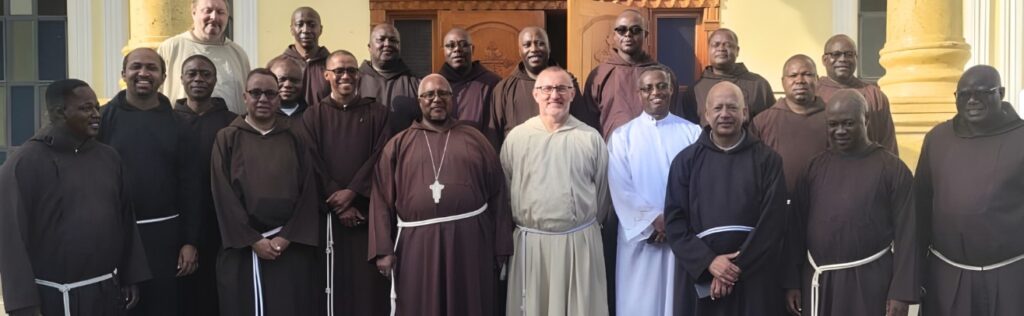
Lusaka, Zambia – May 25, 2026: The East Africa Conference of Capuchins (EACC) successfully held its Plenary Meeting on May 25, 2026, at Laverna Formation House in Lusaka, Zambia. The one-day meeting brought together participants from across the conference to review ongoing initiatives, assess progress, and make key decisions regarding the future of the Order within the region. Br. Worku Demeke, OFMCap. (CAMSA SECRETARY) The day commenced at 6:15 a.m. with the praying of the Angelus and a period of meditation, followed by the celebration of the Holy Eucharist. The plenary session officially began at 8:30 a.m. and continued until 6:00 p.m., providing ample time for thorough deliberation on all agenda items. Among the key matters discussed were the reading and approval of the minutes from the previous meeting, progress reports from the circumscriptions, updates on the preparation of the Ratio Formationis Localis for EACC, issues arising from PANAF, the election of delegates to the Ninth Plenary Council of the Order (IX PCO), common formation houses within EACC, JPIC initiatives, conference subscriptions, and the pursuit of self-sustainability. Participants expressed satisfaction with the overall situation across the circumscriptions, noting that the brothers are carrying out their ministries effectively and that no major difficulties were reported. However, concern was raised regarding xenophobia-related challenges in South Africa, which continue to complicate visa applications and renewals for some brothers. The meeting also received an encouraging report on the preparation of the Ratio Formationis Localis. While progress is being made, participants acknowledged that the process remains behind schedule and emphasized the importance of providing support whenever the drafting team seeks collaboration. Regarding PANAF, the assembly recognized positive developments but noted that delays in receiving requested information remain a challenge. Participants expressed hope that the recent letter from the General Minister will encourage more timely responses and agreed that Major Superiors should continue motivating the brothers to participate actively in the process. A significant milestone of the meeting was the successful election of four EACC delegates who will represent the Conference at the Ninth Plenary Council of the Order (IX PCO). Their names have been officially submitted to the General Secretary. In the area of formation, the participants designated Lusaka and Addis Ababa as common centres for philosophy formation, while Nairobi, Morogoro, and Kampala were confirmed as common centres for theology formation. These decisions aim to strengthen collaboration and ensure quality formation throughout the Conference. The assembly also reviewed the EACC Justice, Peace and Integrity of Creation (JPIC) report and approved a proposal to convene a JPIC meeting in Nairobi in May 2027. Discussions on self-sustainability highlighted the commendable efforts being undertaken by individual circumscriptions. Nevertheless, participants acknowledged that considerable work remains before full financial self-sufficiency can be achieved. The meeting concluded with a shared commitment to intensify efforts toward sustainable development and resource management. Following a productive day of reflection, dialogue, and decision-making, the plenary meeting was formally adjourned at 6:00 p.m. on May 25, 2026.

Lusaka: EACC Ordinary Meeting Read More »

PANAF: Strengthening Capuchin Identity and Mission in Africa”

«The Pan-African Capuchin Congress (PACC) serves as a convoking of prominent Capuchin superiors from Africa and Madagascar, alongside the General Minister and his Councilors, to reflect on the experiences of the Capuchin Friars in Africa». BR. Worku Demeke, OFMCap. The main purpose of the Congress is to strengthen the Capuchin identity within Africa by fostering the human and fraternal connections that underpin their existence, which include formation, mission, economic stewardship, and collaborative witness in partnership with local Churches and the global community. As of now, PACC has taken place five times, with the sixth congress planned to be held at St Francis friary in Addis Ababa, Ethiopia, from February 1 to 6, 2027. Normally, the Congress is organized in one of the African countries, as determined by the General Minister and his councilors. The General Minister is responsible for convening and presiding over the Congress. The five previous congresses have been held in the following nations: It is clear that a multitude of issues have been addressed in all these Congresses, resulting in various directives intended to influence the life and mission of the Capuchins in Africa. However, the resolutions made during the second and fifth PACCs hold particular importance. At the second Congress, it was decided that the Capuchins in Africa ought to be organized and coordinated in a more cohesive manner rather than being divided into smaller factions. Consequently, the previous associations, which consisted of two in East Africa and two in West Africa, have been dissolved, leading to the establishment of two new conferences, namely EACC and CONCAO. Additionally, during the fifth PACC, both conferences came to an agreement to form an assembly referred to as the Capuchin Assembly of Major Superiors of Africa, with the aim: When we concentrate on the VI PACC, the moto of the congress is “LET US START AGAIN”, a phrase used by St. Francis of Assisi to teach his followers that the spiritual life is a continuous journey rather than a destination, and no one should satisfied with his spiritual progress and exposed to pried. The topics that will be addressed in this congress consist of six: The Capuchin Assembly of major superiors in Africa has developed a strategic framework aimed at effectively addressing these issues, ensuring that the congress yields significant results. This strategic framework is organized into three primary timelines: which are the pre-celebration timeline, the celebration timeline, and the post-celebration timeline. To ensure the effectiveness and impact of the congress, the participation of every individual brother is essential. Accordingly, as of January 20, 2026, all Capuchins operating in Africa are involved in a range of activities. These include reflecting on the questionnaires of the baseline assessment, contributing to the writing of articles related to the topics, being updated about the progress made by the preparatory commission, and engaging in prayer for the success of the VI PACC, among others. Consequently, to facilitate this, the assembly has established a webpage at the domain https://www.camsafrica.org/. Additionally, it utilizes social media platforms such as WhatsApp, WhatsApp channel, YouTube, Twitter, and others. The anticipated number of participants includes 100 brothers along with a potential 30 invited guests. Therefore, the total expected attendance is approximately 130.

PANAF: Strengthening Capuchin Identity and Mission in Africa” Read More »

Addis Ababa: Capuchin Formators gather for the Schola Fratrum Africa

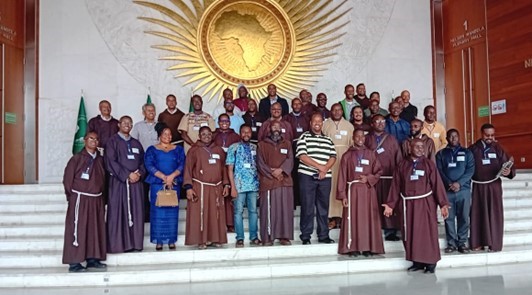
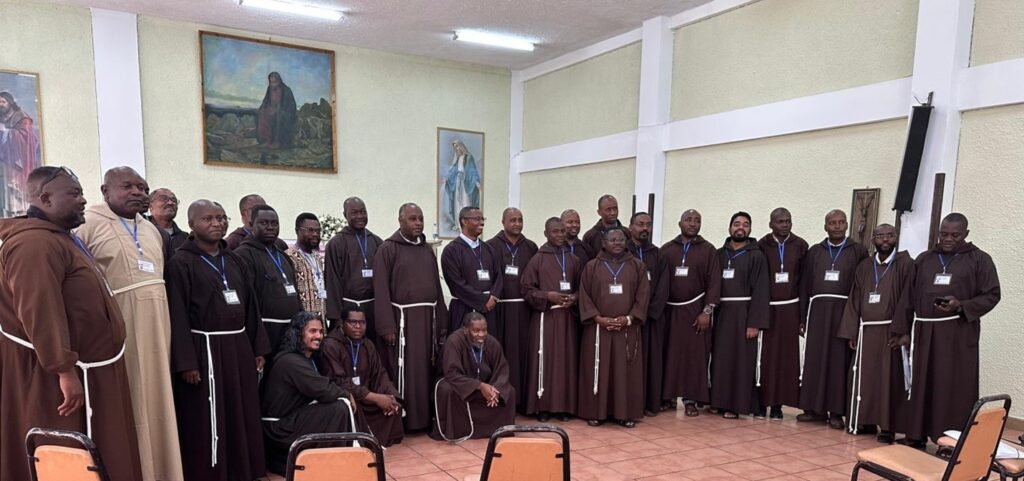
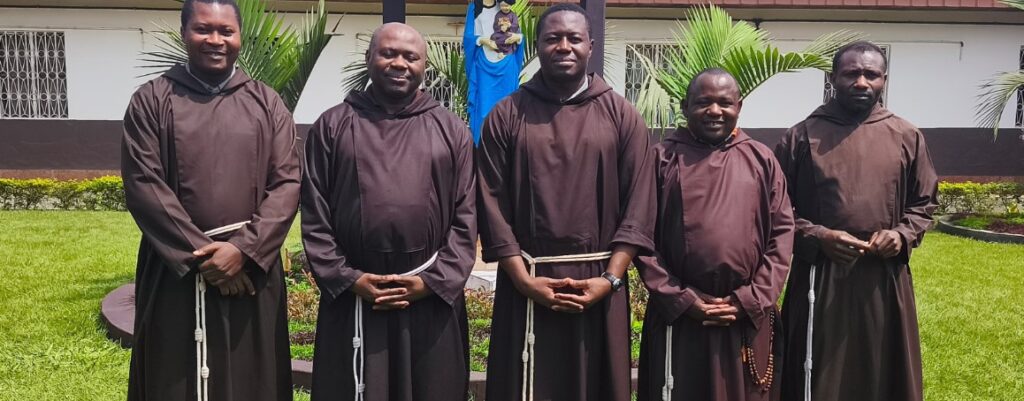
“Forming Franciscan Capuchin Witnesses for the Church in Africa and Beyond” The formation course for African Capuchin formators commenced with profound earnestness on 20 April 2026 in Addis Ababa, marking a grace-filled moment for the Order in Africa. The program will continue its formative journey till 02 May 2026, sustaining its mission of renewal and inspiration among those entrusted with the responsibility of formation. This Schola Fratrum unfolds under the guiding theme: “Forming Franciscan Capuchin Witnesses for the Church in Africa and Beyond”. It is a call to deepen our identity as lesser brothers, rooted in the Gospel and responsive to the needs of the Church and the world. The tone of the gathering was beautifully set through the Eucharistic Celebration—the source and summit of our fraternal life—from which the brothers drew spiritual strength to begin this journey. In the breaking of the Bread, the fraternity rediscovered its foundation in Christ, the perfect Formator. Br. Gabreworld delivered a deeply inspiring homily, drawing richly from the Word of God. He exhorted the formators to anchor their lives and ministry firmly in the Gospel, reminding them that authentic formation flows from a life personally transformed by the Word. His message called the brothers to become living witnesses—men whose lives speak before their words. During the inaugural session, Br. Gabreworld, once again illuminated the essential role of the formator. He emphasized the role of a formator – a companion on the journey—one who walks with the formees in discernment, humility, and fraternity. Central to this mission is the recognition that the Holy Spirit is the primary Formator, gently shaping hearts and guiding each brother toward conformity with Christ in the Capuchin Franciscan way. Br. Patrice with his presence well supported the thoughts expressed by Br. Gabreworld. The presence of Brs. Abera, Waldheim, Joaquim and Kilian, alongside other resource persons who journeyed from various regions to Addis Ababa, highlighted the Order’s deep commitment to formation. Their participation reflects a shared responsibility to nurture the minds, hearts, and spirits of those called to our life of minority, fraternity, and contemplative presence in the world. Aware of the vital importance of formation for the vitality and future of the Order, the brothers have generously committed themselves—heart, mind, and strength—to this responsibility of being exemplary formators. With renewed zeal, they seek to accompany both initial and ongoing formation, so that each brother may embody the Franciscan charism in word and deed. In this spirit, Schola Fratrum Africa stands as a beacon of hope: forming brothers who, filled with the Holy Spirit, will bear credible witness to the Gospel by living the Word of God—faithfully, joyfully, and prophetically—in Africa and beyond. This formation course is designed for formators involved in both initial and ongoing formation in African Capuchin jurisdictions, with special emphasis on initial formation as the foundational stage of Capuchin life. Through reflection on current formative challenges, participants will examine human, Franciscan, biblical, and socio-cultural dimensions of formation, assess the continuity between initial and ongoing formation – a help to identify shared priorities and concrete pathways for strengthening formation structures across African jurisdictions. 1st DAY: Monday 20 April 2nd Sy: TUESDAY 21 APRIL In a formation context, discernment and accompaniment emerge as essential biblical foundations for guiding persons in their human, spiritual, and vocational growth. Sacred Scripture presents discernment as a sustained process of listening to God’s Word, interpreting life experiences in the light of faith, and responding freely to God’s call. Accompaniment, in turn, is revealed as a patient and compassionate ministry of presence, modeled by God’s faithful guidance of Israel and fulfilled in Jesus’ attentive walking with his disciples. This session explores key biblical texts to show how discernment and accompaniment function together as formative dynamics, fostering maturity, responsibility, and freedom in those being formed. By grounding formation practices in the biblical tradition, the presentation will highlight how Scripture continues to inspire authentic pathways of growth, accountability, and mission within the life of the Church. 3rd DAY: WEDNESDAY, 22  APRIL Human formation is a progressive process that unfolds through the stages of Capuchin formation as a whole (initial and ongoing), with recurring human goals at each stage to cherish the gift of life, heal the wounds, manifest goodness and begin the process of integration. It is progressive accompanying of the brother from initial formation into ongoing formation. It addresses: These elements are revisited and deepened at different moments, rather than completed once and for all. Thus, the stages of formation in Capuchin formative journey are intentionally designed and structured to bring about integral formation and to guide a friar from initial discernment to lifelong commitment. These stages try to integrate the five dimensions of Capuchin formation—human, spiritual, intellectual, pastoral, and fraternal, which presents at the same time several challenges, especially given the holistic and deeply relational nature of Capuchin life. Each stage is designed to build upon the previous one, ensuring a holistic and gradual integration into Capuchin life. Culture plays a decisive role in the formation of Capuchin friars in Africa, shaping personal identity, community life, and the way the Franciscan charism is received and lived. Within the African context, formation is called to engage deeply with local cultural values such as communal belonging, respect for elders, storytelling, spirituality of life, and a strong sense of relationship. It is also offering critical discernment in the light of the Gospel and the Capuchin tradition. This reflection explores the dynamic relationship between culture and formation in African Capuchin settings, highlighting both the richness and the challenges that arise when diverse cultural expressions encounter the evangelical counsels, fraternal life, and mission. By fostering a dialogical and incarnational approach, Capuchin formation in Africa is invited to integrate cultural identity and Franciscan values in a way that promotes human maturity, evangelical freedom, and faithful service to the Church and society. 4th DAY: THURSDAY, 23 APRIL Vocational discernment and motivation in religious formation refer to two closely connected processes that help a person understand, embrace, and faithfully live a call
Addis Ababa: Capuchin Formators gather for the Schola Fratrum Africa Read More »

Seychelles: Mons. Landry ordained Bishop

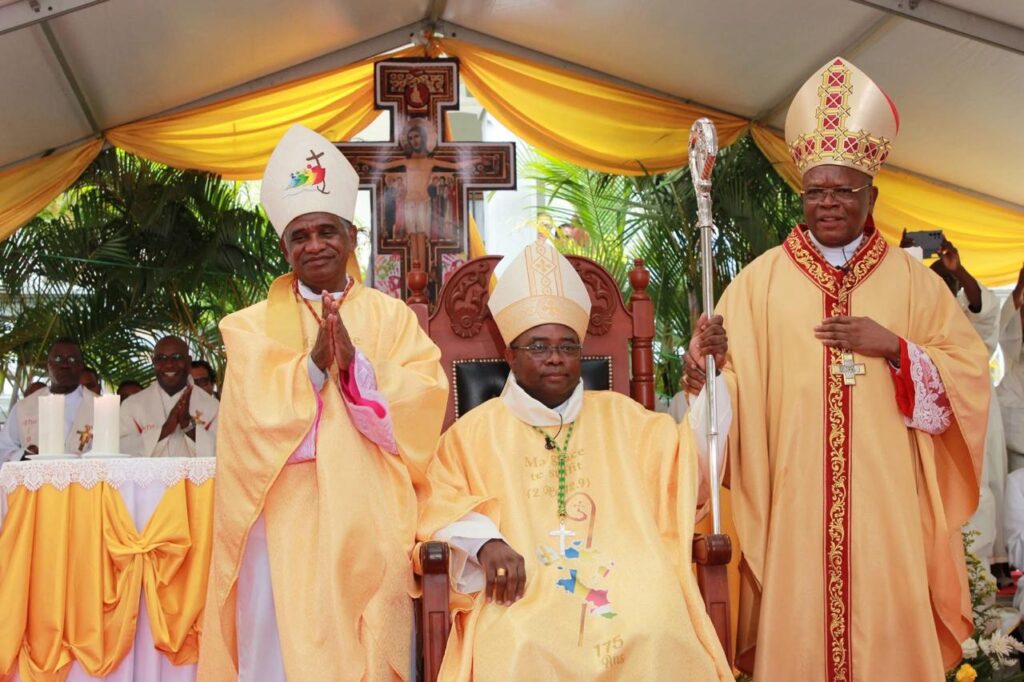
On Sunday 12th April 2026, the Church of Seychelles witnessed a unique and solemn celebration at the Immaculate Conception Cathedral. The Mass was presided by the Most Rev. Monsignor Fridolin Ambongo Besungu, Archbishop of Kinshasa and President of SECAM and was attended by the President of Seychelles Dr Patrick Herminie, First Lady Veronique Herminie, and Vice President Sebastien Pillay. The ceremony attended by many faithful highlighted the deep spiritual importance of the occasion. The ordination of Monsignor Landry Philippe Rasamison as the new Bishop of Port Victoria represents a new chapter for the Diocese. As the 11th Bishop since its establishment in 1892, he succeeds Bishop Alain Harel, who stepped down after years of dedicated service. Having served in Seychelles for 13 years as parish priest in La Misère and Anse aux Pins, and now a naturalised Seychellois, Bishop Rasamison begins his mission of guiding the spiritual life of the Diocese under the blessing and leadership present at this sacred ceremony. The event brought together clergy, government officials, and members of the faithful in a strong spirit of unity, faith, and national cohesion. Tribute was also paid to Bishop Alain Harel for his valued contribution to the Church and the Seychellois people. In a statement following a meeting with the President on matters related to education of the youth, the newly ordained Bishop stated: «We must continue to invest in our young people. When they are given a place and properly guided, it is the country as a whole that benefits. The Church does not intend to introduce anything new, but is simply seeking to exercise its established rights. In a context where there are multiple faith based beliefs, the emphasis is on mutual respect».

Seychelles: Mons. Landry ordained Bishop Read More »

RDC | Congo: Br. Tharcise reelected Custos

The General Custody of Congo celebrated its 9th Ordinary Elective Chapter, at the conclusion of which Brother Tharcisse Ngose was re-elected Custos with a new council. Everything went well. Our heartfelt congratulations to the new leadership, and we wish them a fruitful term of office. The Chapter which was held in Kinshasa at the end of february, was presided by Br. Patrice, General Councilor for Africa.

RDC | Congo: Br. Tharcise reelected Custos Read More »

Mozambique: Francisco Chimoio named Apostolic Administrator

His Holiness Pope Leo XIV has appointed His Excellency the Most Reverend Dom Francisco Chimoio, O.F.M. Cap. (Archbishop Emeritus of Maputo), to the office of Apostolic Administrator sede vacante of Xai-Xai, following the transfer of Dom Lúcio Andrice Muandula, currently Diocesan Bishop of Chimoio. As an Apostolic Administrator, Dom Francisco Chimoio assumes the pastoral governance of the Diocese until the appointment and installation of the future Bishop of the Diocese. The appointment was made know by the Vatican Curia on Sunday 22 | February | 2026, during the instalation Mass of Mons. Lucio in Chimio. His Excellency Francisco Chimoio is a Capuchin Friar who first served as Bishop of Pemba before being appointed Archbishop of Maputo, a Diocese he served for the last 20 years before retiring in 2025 upon completion of 75 years of age. The Catholic Diocese of Xai-Xai was erected on 19 June 1970 as the Diocese of João Belo before changing to its current name on 1st October 1976. The Diocese that measures 75,709 Square Kilometres has   504,000 Catholics out of a population of 1,446,654 representing 34.8 percent, according to 2023 statistics. May God bless Dom Francisco Chimoio, O.F.M. Cap.

Mozambique: Francisco Chimoio named Apostolic Administrator Read More »

CAMSA 2026

Rome: convocation of the 2027 PANAF Meeting

The General Minister Br. Roberto Genuin has convoked a Pan-African meeting which will take place in Addis Ababa, Ethiopia, from February 1 to 6, 2027. The convocation comes in a letter addressed to all the brothers of the African Continent in which Br Robert urged the brothers «to work together with confidence and to feel fully involved in the hope that the meeting will contribute to the future journey of the Capuchins in the great and diverse continent». The convocation brings to life a concept already expressed by the General Minister at the beginning of this current six-year term (cf. Initial Letter of the Sexennium – No. 40), paying particular attention to the animation of the African circumscriptions. With this letter, he confirmed that the phase of planning with the African General Councilors and the preparatory committee has reached such a level that allows the dates and location to be made official. In order to facilitate the participation of all the african brothers in this historical event, CAMSA President, Br. Arnold Shirima, has outlined the following steps for the preparation of the PANAF: 1) On January 21, 2026, questionnaires will be sent to each circumscription, and within two to three days, they will be forwarded to each community.2) The responses from every community must be submitted to the secretary of the preparatory commission by April 30, 2026.3) Between May 1 and May 5, 2026, the secretary will share the feedback from the brothers with both the experts and the preparatory commission.4) By July 1, 2026, the experts are expected to present the initial draft of their topics to the preparatory commission. Br. Shirima anticipates that «this meeting will serve as a moment of appreciation and spiritual rejuvenation, a period of profound fraternity and spiritual happiness, and a chance for prophetic recommitment to our Capuchin identity for the glory of God and the benefit of all». Below are the invitation letters of both the General Minister, Br Roberto Genuin and the CAMSA President, Br. Arnold Shirima.

Rome: convocation of the 2027 PANAF Meeting Read More »

Cameroon: new Council for the Custody

The Capuchin Friars of the Custody of Cameroon have elected new friars to service the Order for the next three years (2026-2029). They are: Fr Terence Sahven Lukong (Custos), 1C:  fr. Derick Ajeande Ajende, 2C:  fr. Amos Bamenjoh Bongdin, 3C:  fr. Valantine Fuhnwi, 4C:  fr. Christopher Mbiyndzelah Shyghan. The new Council was elected during the celebration of the Chapter which was held at Saint Francis Convent of Bambui (Bamenda), Cameroon on 29 january 2026 and presided by Fr. Angelo Borghino, Provincial Minister of Lombardia (Italy). We wish the new elected a wonderful service to the Order.

Cameroon: new Council for the Custody Read More »

third news

Sed ut perspiciatis unde omnis iste natus error sit voluptatem accusantium doloremque laudantium, totam rem aperiam eaque ipsa, quae ab illo inventore veritatis et quasi architecto beatae vitae dicta sunt, explicabo. Nemo enim ipsam voluptatem, quia voluptas sit, aspernatur aut odit aut fugit, sed quia consequuntur magni dolores eos, qui ratione voluptatem sequi nesciunt, neque porro quisquam est, qui dolorem ipsum, quia dolor sit, amet, consectetur, adipisci velit, sed quia non numquam eius modi tempora incidunt, ut labore et dolore magnam aliquam quaerat voluptatem. Ut enim ad minima veniam, quis nostrum exercitationem ullam corporis suscipit laboriosam, nisi ut aliquid ex ea commodi consequatur? Quis autem vel eum iure reprehenderit, qui in ea voluptate velit esse, quam nihil molestiae consequatur, vel illum, qui dolorem eum fugiat, quo voluptas nulla pariatur? [33] At vero eos et accusamus et iusto odio dignissimos ducimus, qui blanditiis praesentium voluptatum deleniti atque corrupti, quos dolores et quas molestias excepturi sint, obcaecati cupiditate non provident, similique sunt in culpa, qui officia deserunt mollitia animi, id est laborum et dolorum fuga. Et harum quidem rerum facilis est et expedita distinctio. Nam libero tempore, cum soluta nobis est eligendi optio, cumque nihil impedit, quo minus id, quod maxime placeat, facere possimus, omnis voluptas assumenda est, omnis dolor repellendus. Temporibus autem quibusdam et aut officiis debitis aut rerum necessitatibus saepe eveniet, ut et voluptates repudiandae sint et molestiae non recusandae. Itaque earum rerum hic tenetur a sapiente delectus, ut aut reiciendis voluptatibus maiores alias consequatur aut perferendis doloribus asperiores repellat.»

third news Read More »