Periodicals / magazines

Periodicals or magazine issued in a certain period of time

Addis Ababa: Capuchin Formators gather for the Schola Fratrum Africa

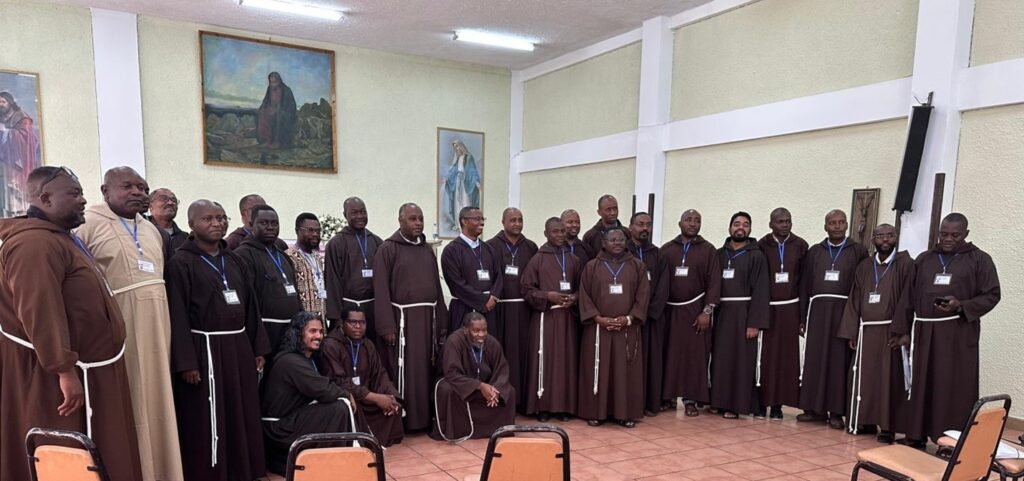
โ€œForming Franciscan Capuchin Witnesses for the Church in Africa and Beyondโ€ The formation course for African Capuchin formators commenced with profound earnestness on 20 April 2026 in Addis Ababa, marking a grace-filled moment for the Order in Africa. The program will continue its formative journey till 02 May 2026, sustaining its mission of renewal and inspiration among those entrusted with the responsibility of formation. This Schola Fratrum unfolds under the guiding theme: โ€œForming Franciscan Capuchin Witnesses for the Church in Africa and Beyondโ€. It is a call to deepen our identity as lesser brothers, rooted in the Gospel and responsive to the needs of the Church and the world. The tone of the gathering was beautifully set through the Eucharistic Celebrationโ€”the source and summit of our fraternal lifeโ€”from which the brothers drew spiritual strength to begin this journey. In the breaking of the Bread, the fraternity rediscovered its foundation in Christ, the perfect Formator. Br. Gabreworld delivered a deeply inspiring homily, drawing richly from the Word of God. He exhorted the formators to anchor their lives and ministry firmly in the Gospel, reminding them that authentic formation flows from a life personally transformed by the Word. His message called the brothers to become living witnessesโ€”men whose lives speak before their words. During the inaugural session, Br. Gabreworld, once again illuminated the essential role of the formator. He emphasized the role of a formator – a companion on the journeyโ€”one who walks with the formees in discernment, humility, and fraternity. Central to this mission is the recognition that the Holy Spirit is the primary Formator, gently shaping hearts and guiding each brother toward conformity with Christ in the Capuchin Franciscan way. Br. Patrice with his presence well supported the thoughts expressed by Br. Gabreworld. The presence of Brs. Abera, Waldheim, Joaquim and Kilian, alongside other resource persons who journeyed from various regions to Addis Ababa, highlighted the Orderโ€™s deep commitment to formation. Their participation reflects a shared responsibility to nurture the minds, hearts, and spirits of those called to our life of minority, fraternity, and contemplative presence in the world. Aware of the vital importance of formation for the vitality and future of the Order, the brothers have generously committed themselvesโ€”heart, mind, and strengthโ€”to this responsibility of being exemplary formators. With renewed zeal, they seek to accompany both initial and ongoing formation, so that each brother may embody the Franciscan charism in word and deed. In this spirit, Schola Fratrum Africa stands as a beacon of hope: forming brothers who, filled with the Holy Spirit, will bear credible witness to the Gospel by living the Word of Godโ€”faithfully, joyfully, and propheticallyโ€”in Africa and beyond. This formation course is designed for formators involved in both initial and ongoing formation in African Capuchin jurisdictions, with special emphasis on initial formation as the foundational stage of Capuchin life. Through reflection on current formative challenges, participants will examine human, Franciscan, biblical, and socio-cultural dimensions of formation, assess the continuity between initial and ongoing formation – a help to identify shared priorities and concrete pathways for strengthening formation structures across African jurisdictions. 1st DAY: Monday 20 April 2nd Sy: TUESDAY 21 APRIL In a formation context, discernment and accompaniment emerge as essential biblical foundations for guiding persons in their human, spiritual, and vocational growth. Sacred Scripture presents discernment as a sustained process of listening to Godโ€™s Word, interpreting life experiences in the light of faith, and responding freely to Godโ€™s call. Accompaniment, in turn, is revealed as a patient and compassionate ministry of presence, modeled by Godโ€™s faithful guidance of Israel and fulfilled in Jesusโ€™ attentive walking with his disciples. This session explores key biblical texts to show how discernment and accompaniment function together as formative dynamics, fostering maturity, responsibility, and freedom in those being formed. By grounding formation practices in the biblical tradition, the presentation will highlight how Scripture continues to inspire authentic pathways of growth, accountability, and mission within the life of the Church. 3rd DAY: WEDNESDAY, 22  APRIL Human formation is a progressive process that unfolds through the stages of Capuchin formation as a whole (initial and ongoing), with recurring human goals at each stage to cherish the gift of life, heal the wounds, manifest goodness and begin the process of integration. It is progressive accompanying of the brother from initial formation into ongoing formation. It addresses: These elements are revisited and deepened at different moments, rather than completed once and for all. Thus, the stages of formation in Capuchin formative journey are intentionally designed and structured to bring about integral formation and to guide a friar from initial discernment to lifelong commitment. These stages try to integrate the five dimensions of Capuchin formationโ€”human, spiritual, intellectual, pastoral, and fraternal, which presents at the same time several challenges, especially given the holistic and deeply relational nature of Capuchin life. Each stage is designed to build upon the previous one, ensuring a holistic and gradual integration into Capuchin life. Culture plays a decisive role in the formation of Capuchin friars in Africa, shaping personal identity, community life, and the way the Franciscan charism is received and lived. Within the African context, formation is called to engage deeply with local cultural values such as communal belonging, respect for elders, storytelling, spirituality of life, and a strong sense of relationship. It is also offering critical discernment in the light of the Gospel and the Capuchin tradition. This reflection explores the dynamic relationship between culture and formation in African Capuchin settings, highlighting both the richness and the challenges that arise when diverse cultural expressions encounter the evangelical counsels, fraternal life, and mission. By fostering a dialogical and incarnational approach, Capuchin formation in Africa is invited to integrate cultural identity and Franciscan values in a way that promotes human maturity, evangelical freedom, and faithful service to the Church and society. 4th DAY: THURSDAY, 23 APRIL Vocational discernment and motivation in religious formation refer to two closely connected processes that help a person understand, embrace, and faithfully live a call

Addis Ababa: Capuchin Formators gather for the Schola Fratrum Africa Read More ยป

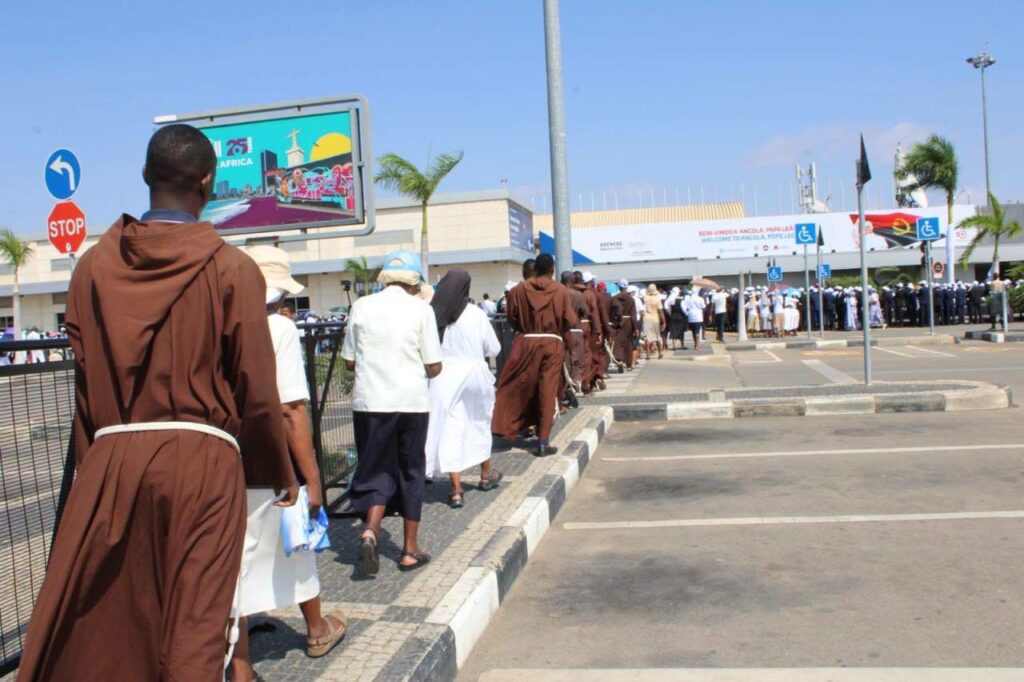
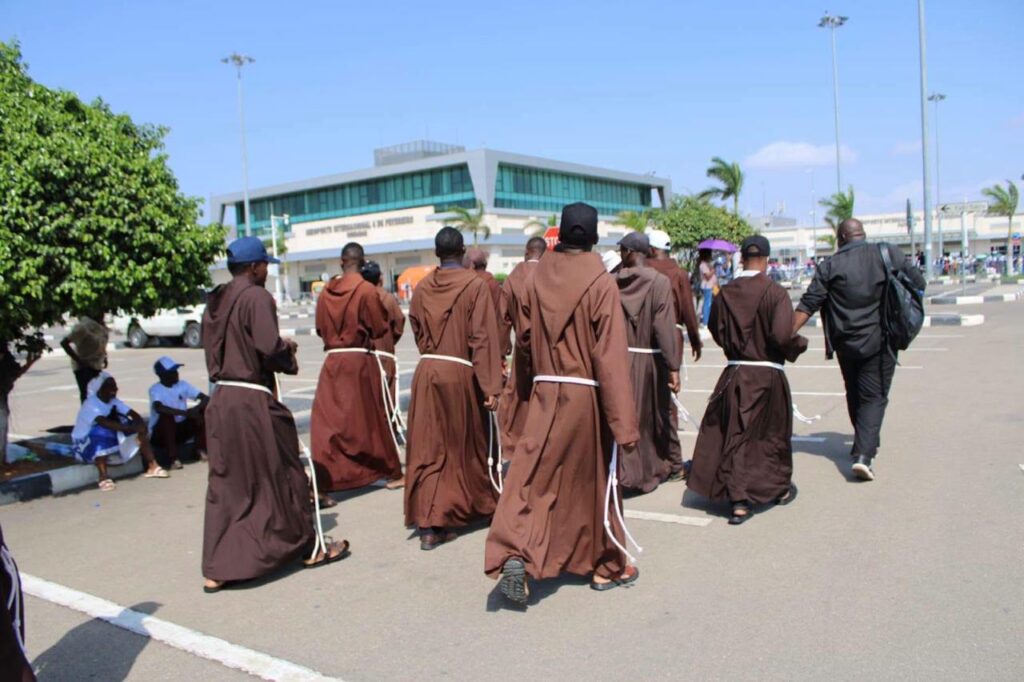
Angola: Pope Leo’s visit, a sign of hope for Africa

Br. Agostinho Augusto | CAMSA Correspondent | Maputo | Mozambique From April 13 to April 23, Pope Leo XIV have geared up a pastoral visit to 4 countries: Algeria, Cameroon, Angola and Equatorial Guinee. This visit marks a significant moment of closeness and solidarity with the continent, particularly in a time when the world and Africa in general are raveged by conflicts, wars and injustices. Throughout the journey, the Holy Father emphasized a message of hope, dignity, and justice, meeting with local communities and encouraging the Churchโ€™s mission among those most in need. In Cameroon and Angola, where the Capuchin presence is long standing and visible in their commitment to pastoral care, education, and social outreach, the pope expressed gratitude for Church dedication to the poor and the forgotten. Across the first three countries, Pope Leo made a point of encountering the poor, the sick, the childreen and the marginalized. He visited hospitals, informal settlements, and community centers, blessed the kids along the way offering words of comfort and solidarity. In each encounter, he called for renewed compassion and practical support for those who suffer, urging both local leaders and the international community to respond with concrete action. The capuchins in these countries feel encouraged in their mission to serve the needy and those with lesser voice. Addressing both civil and ecclesial authorities in Luanda, Pope Leo warned against longstanding patterns of economic exploitation asserting that โ€œtoo often your regions have been, and still are, looked upon in order to give – or more often, to take somethingโ€, he said, calling for โ€œthis chain of interests, which reduces reality and life itself to a commodityโ€, to be broken. After Angola, the Pope will sum up his pastoral journey to the Continent by visiting Equatorial Guinee from 21 to 23 April 2026 before returning to Rome.

Angola: Pope Leo’s visit, a sign of hope for Africa Read More ยป

ANNALS OF THE PAN-AFRICAN CAPUCHIN CONGRESS

A RETROSPECTIVE AND PROSPECTIVE VIEW | BR. WORKU DEMEKE, OFMCAP. | PROVINCIAL MINISTER OF ETHIOPIA | CAMSA SECRETARY INTRODUCTION The piece entitled Annals of the Pan-African Capuchin Congress (PACC) provides both a retrospective and prospective view on the Pan-African Capuchin initiative, with the aim of clarifying terminological ambiguities, historical context, and assessing certain progress made. It is my belief that individuals who have had the opportunity to read various documents related to this initiative or papers presented during the celebration can grasp the meaning of terminological ambiguities. In some instances, it is referred to as a conference, while in others it is called an assembly, a meeting, or a congress. Another issue arises from the confusion regarding the frequency and locations of its occurrences. Even if it is not inherently confusing, many individuals do not have a clear understanding of the initiativeโ€™s objectives as well.  Therefore, the primary aim of this article is to clarify both the terminological and historical confusions, as well as to communicate the purpose of the initiative. Additionally, it seeks to analyze some of the topics discussed in various congresses to enhance understanding of the challenges faced by Capuchins who live in Africa. The article is structured into four main sections: Semantics, The Purpose and the Chronicles, Relevant Topics, and the Strategic Framework of the 6th Pan-African Capuchin Congress. 1. SEMANTICS Before delving into the specifics, it may be beneficial to begin with the essential semantic terms, namely โ€œPANโ€ and โ€œCongressโ€. It is quite prevalent to encounter the prefix โ€œPan-โ€ in various spheres such as economics, politics, social issues, religion, and others. This prefix, which originates from Greek, signifies โ€œall,โ€ โ€œevery,โ€ or โ€œinclusive of everything.โ€ When it is paired with geographical or cultural descriptors like โ€œAfricanโ€ or โ€œAmerican,โ€ it characterizes movements, ideologies, or organizations that aim to unify, connect, or represent a particular group across national, continental, or global frontiers. Regarding the term โ€œCongress,โ€ the first observation is that it is often used interchangeably with terms such as assembly, conference, and meeting. This leads to the immediate inquiry: are these terms synonymous? The Merriam-Webster dictionary clarifies that the term congress denotes a formal, periodic assembly of representatives or experts from constituent organizations, institutions, or courts, among others, for the purpose of discussion and typically action on a specific issue; whereas assembly generally refers to a legislative body or a gathering aimed at a particular, often legislative, objective. Conference is typically a less formal, often theme-oriented gathering intended for knowledge sharing; while meeting serves as the broadest term for smaller, shorter gatherings. When discussing our Pan-African Capuchin initiative, some individuals refer to it as a meeting, while others call it an assembly others as a congress again others as a conference. I believe it is more appropriate to use the term โ€œcongressโ€ for three reasons. Firstly, in a letter dated June 24, 1997, which announces the establishment of the EACC (Pro. No. 0046), General Minister John Coriveau employed the term โ€œcongressโ€ to describe the second Pan-African gathering that took place in Pretoria, South Africa, in December 1996. Since this term is already present in one of our official institutional documents, it is advisable to continue its usage. Secondly, we currently have two established structures, namely the EACC and CONCAO, which are designated as conferences. Additionally, during the fifth Pan-African Capuchin Congress held from November 7-10, 2016, in Abidjan, Ivory Coast, a new initiative was introduced that unites all Capuchins in Africa under the title Capuchins Assembly of Major Superiors of Africa (CAMSA). The existence of these two terminologies leads to potential confusion if we replicate them. Lastly, if we limit ourselves to just two terms, โ€œcongressโ€ and โ€œmeetingโ€, the term that is more fitting would be โ€œcongressโ€, as it signifies a formal, periodic assembly of representatives of all Capuchins in Africa for the purpose of discussion and decision-making on various issues, rather than โ€œmeetingโ€, which implies smaller, shorter gatherings. Therefore, the initiative needs to be called Pan-African Capuchin Congress (PACC). 2. THE PURPOSE AND THE CHRONICLES When we delve into the specifics, the initial aspect that emerges is the significance of the term Pan-African Capuchin Congress (PACC), which is the gathering of all major Capuchin superiors from Africa and Madagascar. The event allows them to spend a week in the company of the General Minister and his Council, reflecting on the lives of the Capuchin Friars Minor in Africa. The aim is to enhance the Capuchin identity by nurturing human and fraternal bonds that form their life, formation, mission, economic stewardship, and collaborative witness in conjunction with local Churches and the broader world. To date, PACC has been held five times, with the sixth scheduled to occur at St Francis friary in Addis Ababa, Ethiopia, from February 1 to 6, 2027. Usually, PACC is hosted in one of the African nations, based on the decision of the General Minister and his councilors. The General Minister convenes the PACC and presides over it. To date, the Capuchins in Africa have conducted six PACCs, which are as follows: It is evident that numerous issues have been discussed in all these PACCs, leading to various directives aimed at shaping the life and mission of the Capuchins in Africa. Nevertheless, the decisions made during the second and fifth PACCs are particularly significant. At the second PACC, it was agreed that the Capuchins in Africa should be organized and coordinated in a more united manner instead of being fragmented into smaller groups. As a result, the previous associations ASMAC (Central African Republic, Chad and Zaire), CAOC (Angola, Cape Verde, Ivory Coast, Cameroon, Nigeria, Benin and Equatorial Guinea), NEACA (Eritrea, Ethiopia and Djibouti) and SEACA (Tanzania, Madagascar, South Africa, Zambia, Kenya, Mozambique, Seychelles, Malawi, Uganda and Zimbabwe) have been dissolved, and two new conferences, namely EACC and CONCAO, have been established. Furthermore, during the fifth PACC, both conferences reached an agreement to create an assembly known as the Capuchin Assembly of Major Superiors of Africa, aimed at enhancing communication and collaboration at

ANNALS OF THE PAN-AFRICAN CAPUCHIN CONGRESS Read More ยป

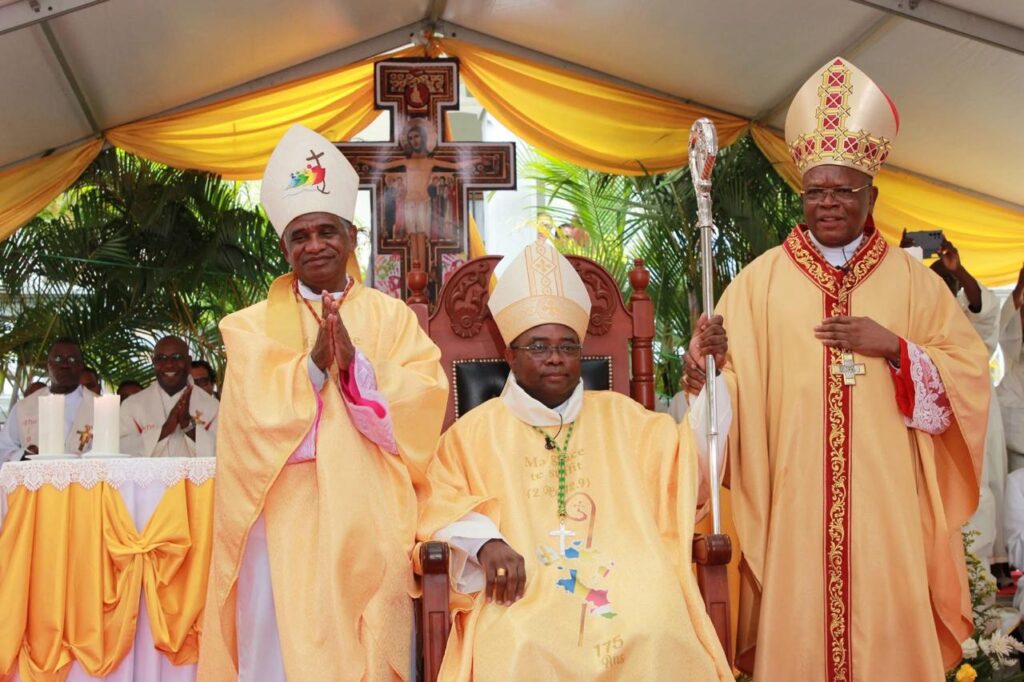
Seychelles: Mons. Landry ordained Bishop

On Sunday 12th April 2026, the Church of Seychelles witnessed a unique and solemn celebration at the Immaculate Conception Cathedral. The Mass was presided by the Most Rev. Monsignor Fridolin Ambongo Besungu, Archbishop of Kinshasa and President of SECAM and was attended by the President of Seychelles Dr Patrick Herminie, First Lady Veronique Herminie, and Vice President Sebastien Pillay. The ceremony attended by many faithful highlighted the deep spiritual importance of the occasion. The ordination of Monsignor Landry Philippe Rasamison as the new Bishop of Port Victoria represents a new chapter for the Diocese. As the 11th Bishop since its establishment in 1892, he succeeds Bishop Alain Harel, who stepped down after years of dedicated service. Having served in Seychelles for 13 years as parish priest in La Misรจre and Anse aux Pins, and now a naturalised Seychellois, Bishop Rasamison begins his mission of guiding the spiritual life of the Diocese under the blessing and leadership present at this sacred ceremony. The event brought together clergy, government officials, and members of the faithful in a strong spirit of unity, faith, and national cohesion. Tribute was also paid to Bishop Alain Harel for his valued contribution to the Church and the Seychellois people. In a statement following a meeting with the President on matters related to education of the youth, the newly ordained Bishop stated: ยซWe must continue to invest in our young people. When they are given a place and properly guided, it is the country as a whole that benefits. The Church does not intend to introduce anything new, but is simply seeking to exercise its established rights. In a context where there are multiple faith based beliefs, the emphasis is on mutual respectยป.

Seychelles: Mons. Landry ordained Bishop Read More ยป

African friars at the Sacro Convento in Assisi-Italy

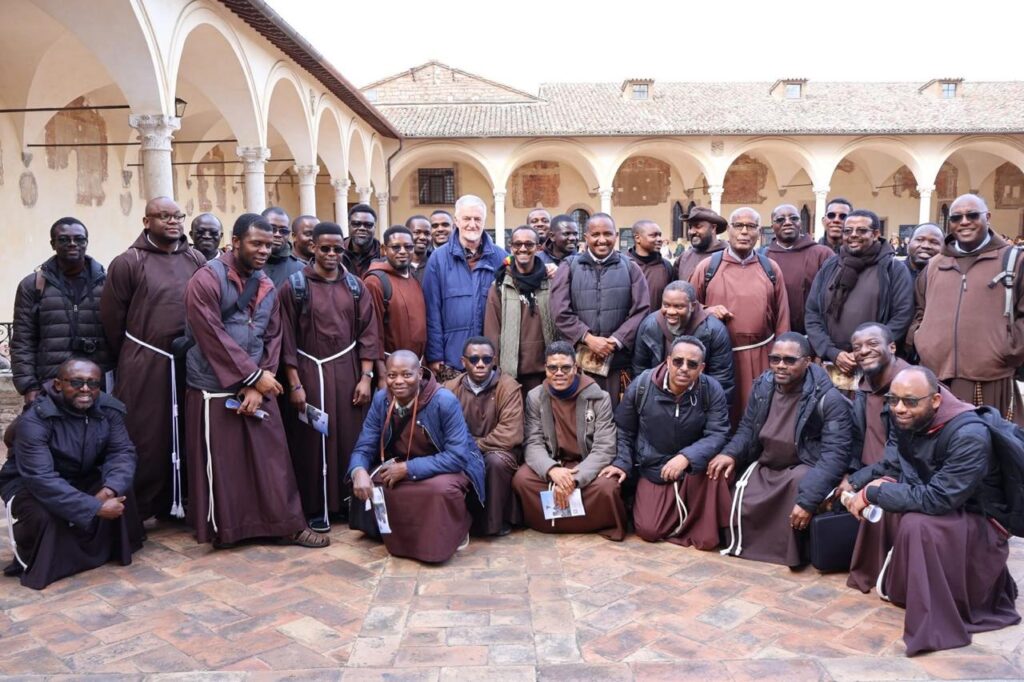
Assisi: African Capuchin friars at the franciscan jubilee year

On March 14, 2026, Capuchin Friars from various Capuchin circumscriptions across Africa gathered in the sacred city of Assisi for a deeply moving pilgrimage marking the Franciscan Jubilee Year proclaimed by Pope Leo XIV in honour of the 800th Anniversary of the Death of St Francis of Assisi. In announcing this special Jubilee, the Holy Father invited the entire Church to celebrate the Year of Saint Francis from January 10, 2026, to January 10, 2027, encouraging all Christian faithful to rediscover the spirit of the ๐˜—๐˜ฐ๐˜ท๐˜ฆ๐˜ณ๐˜ฆ๐˜ญ๐˜ญ๐˜ฐ: โ€œ๐˜๐—ต๐—ถ๐˜€ ๐—ฌ๐—ฒ๐—ฎ๐—ฟ ๐—ผ๐—ณ ๐—ฆ๐—ฎ๐—ถ๐—ป๐˜ ๐—™๐—ฟ๐—ฎ๐—ป๐—ฐ๐—ถ๐˜€ ๐˜„๐—ถ๐—น๐—น ๐—ถ๐—ป๐˜ƒ๐—ถ๐˜๐—ฒ ๐—ฏ๐—ฒ๐—น๐—ถ๐—ฒ๐˜ƒ๐—ฒ๐—ฟ๐˜€ ๐—ฎ๐—ป๐—ฑ ๐—ฐ๐—ผ๐—บ๐—บ๐˜‚๐—ป๐—ถ๐˜๐—ถ๐—ฒ๐˜€ ๐˜๐—ผ ๐—ฟ๐—ฒ๐—ฑ๐—ถ๐˜€๐—ฐ๐—ผ๐˜ƒ๐—ฒ๐—ฟ ๐˜๐—ต๐—ฒ ๐˜„๐—ฎ๐˜† ๐—ผ๐—ณ ๐—น๐—ถ๐—ณ๐—ฒ ๐—ผ๐—ณ ๐˜๐—ต๐—ฒ ๐—ฆ๐—ฎ๐—ถ๐—ป๐˜ ๐—ผ๐—ณ ๐—”๐˜€๐˜€๐—ถ๐˜€๐—ถ: ๐—ฎ ๐—น๐—ถ๐—ณ๐—ฒ ๐˜๐—ต๐—ฎ๐˜ ๐—ถ๐˜€ ๐˜€๐—ถ๐—บ๐—ฝ๐—น๐—ฒ ๐—ฎ๐—ป๐—ฑ ๐—ฒ๐˜€๐˜€๐—ฒ๐—ป๐˜๐—ถ๐—ฎ๐—น, ๐—ผ๐—ฝ๐—ฒ๐—ป ๐˜๐—ผ ๐—ฝ๐—ฒ๐—ฎ๐—ฐ๐—ฒ, ๐—ณ๐—ฟ๐—ฎ๐˜๐—ฒ๐—ฟ๐—ป๐—ถ๐˜๐˜†, ๐—ฎ๐—ป๐—ฑ ๐—ฟ๐—ฒ๐˜€๐—ฝ๐—ฒ๐—ฐ๐˜ ๐—ณ๐—ผ๐—ฟ ๐—ฐ๐—ฟ๐—ฒ๐—ฎ๐˜๐—ถ๐—ผ๐—ป.” This extraordinary Jubilee continues the spiritual momentum of the Jubilee Year 2025, offering the faithful an opportunity for renewal through prayer, conversion, and pilgrimage. The Apostolic Penitentiary has also granted plenary indulgence, under the usual conditions, to those who devoutly participate in the celebrations during this sacred year. For us, African Capuchin friars, this invitation became a concrete journey of faith as we traveled together to Assisi, the birthplace and final resting place of our Seraphic Father. ๐€ ๐๐ข๐ฅ๐ ๐ซ๐ข๐ฆ๐š๐ ๐ž ๐จ๐Ÿ ๐…๐ซ๐š๐ญ๐ž๐ซ๐ง๐ข๐ญ๐ฒ Coming from diverse regions of Africa, each marked by its culture, struggles, and hopes, we arrived in Assisi united by a common Franciscan vocation. Walking through the narrow streets and viewing the ancient stones of this holy town in our walk from ๐˜‹๐˜ฐ๐˜ฎ๐˜ถ๐˜ด ๐˜“๐˜ข๐˜ฆ๐˜ต๐˜ช๐˜ต๐˜ช๐˜ข through the Basilica of St Clare of Assisi to the Papal Basilica of St Francis of Assisi, we were reminded that eight centuries ago a young man named Francis began a radical journey of conversion that would transform the Church and inspire generations across the world. Our pilgrimage reached its spiritual climax at the Basilica of St Francis of Assisi, where we gathered in prayer before the holy remains of the Poor Man of Assisi exposed for veneration. We entrusted our fraternities, our missions, and the people we serve throughout Africa to his powerful intercession. In that moment of silence and contemplation, we felt deeply connected not only to the history of the Franciscan Order but also to the universal fraternity that Saint Francis envisionedโ€”a brotherhood that embraces every nation, every creature, and every corner of the world. ๐€ ๐‚๐š๐ฅ๐ฅ ๐ญ๐จ ๐‘๐ž๐ง๐ž๐ฐ๐š๐ฅ ๐Ÿ๐จ๐ซ ๐€๐Ÿ๐ซ๐ข๐œ๐š The Franciscan Jubilee year comes at a particularly meaningful time for the Capuchin Friars of Africa as we prepare for a Pan-African Meeting scheduled for February 2027. The pilgrimage, therefore, was not only an act of devotion but also a moment of discernment. Standing before the Remains of St Francis, we contemplated how the Franciscan charism can continue to manifest within the African context. Our continent faces many challenges, conflicts, poverty, ecological crises, and social inequalities, but it is also rich in faith, communal spirit, and resilience. The life of St Francis calls us to embody fraternity, peace, humility, simplicity, and care for creation. These values resonate profoundly with many African cultural traditions, making the Franciscan message both timely and transformative. As friars in Africa, we commit to embodying reconciliation and peace, walking with the poor and marginalised, inspired by St. Francis. Walking in the Footsteps of our Seraphic Father, St Francis This Franciscan Jubilee invites us not merely to remember St Francis but to imitate him. His life was a living Gospel, one that proclaimed the love of Christ through humility, service, and joy. Our pilgrimage to Assisi has strengthened our resolve to carry that same spirit back to our communities and ministries across Africa. As we continue our journey toward the Pan-African gathering in 2027, we pray that the Jubilee year will deepen our Franciscan identity and inspire new forms of evangelical witness. May the example of St. Francis of Assisi continue to guide us, and may his intercession help us live authentically the values of the gospel in the realities of our continent. We entrust our vocation, fraternity, and mission to the Lord through the prayers of the ๐˜—๐˜ฐ๐˜ท๐˜ฆ๐˜ณ๐˜ฆ๐˜ญ๐˜ญ๐˜ฐ, confident that Franciscan spirituality will shine brightly in Africa and beyond.he world. Amen Br. ๐„๐ฆ๐ฆ๐š๐ง๐ฎ๐ž๐ฅ ๐ˆ๐๐š๐ค๐ฐ๐จ ๐Ž๐…๐Œ ๐‚๐š๐ฉ.

Assisi: African Capuchin friars at the franciscan jubilee year Read More ยป

TOWARDS PANAF 2027: CAPUCHINS IN AFRICA PREPARE FOR A HISTORIC CONGRESS

ยซWe hope the Congress will mark a historic milestone in the way we conceive our mission and charism among the beloved faithful of Africa.ยป Br. Agostinho Augusto, OFMCap. From 1 to 6 February 2027, the Friars Minor Capuchins in Africa will host the Pan-African Congress in Addis Ababa, Ethiopia. The Congress, which is expected to contribute to the โ€œfuture journey of the Capuchinsโ€ in Africa and to โ€œbecome a significant moment for the animation of other parts of the world,โ€ has already begun to resonate strongly in various circumscriptions across the continent, with initial preparations already underway. Following the convocation of the Pan-African meeting by the General Minister, Br. Roberto Genuin, on 20 January 2026, CAMSA gathered to outline the major steps to be taken towards the celebration of the Pan-African Congress. In a letter addressed to all the brothers in Africa, the CAMSA President, Br. Arnold Shirima, stated that the Commission has so far been engaged in โ€œapproving the budget, authorizing the final version of the logo, the prayer, the timetable, and the questionnaires prepared by the resource personnel.โ€ Alongside this work, both the Commission and the Assembly have been working on establishing timelines for the distribution of the questionnaires, the collection of feedback, the compilation and summarization of responses, and their submission to the resource personnel. So far, the various circumscriptions in Africa are working on their responses to the questionnaires, which are expected to be submitted to the Commission by 30 April 2026. In the meantime, a Communication Commission, composed of five brothers, is working tirelessly to gather information from across the circumscriptions, produce multimedia content, and publish all relevant information on the CAMSA website (www.camsafrica.org) and other African social media platforms created specifically for the Pan-African meeting and other related events to come. Currently, the Communication team is focused on providing information to all the brothers and engaging, in particular, the houses of formation scattered across the vast continent. The aim is to encourage the involvement of many young brothers and challenge them to contribute with articles, videos, and other content useful for promoting the event among the friars. As Br. Agostinho Augusto, Communication Director, puts it: โ€œOur aim is to ensure that no brother remains unaware or left behind with regard to participation in this important event among the Capuchins in Africa, which we hope will mark a historic milestone in the way we conceive our mission and charism among the beloved faithful of Africa.โ€ Regarding the timeline established by the Assembly, some circumscriptions have already begun submitting their responses to the relevant Commission, while others are still in progress. Although there are challenges related to communication, efforts are being made at both the CAMSA and Commission levels to overcome these obstacles and ensure a smooth flow of information and work.

TOWARDS PANAF 2027: CAPUCHINS IN AFRICA PREPARE FOR A HISTORIC CONGRESS Read More ยป