CONCAO News

Tchad: Pope Leo XIV, appoints Fr. Jean Miguina, as the new Bishop of Sarh

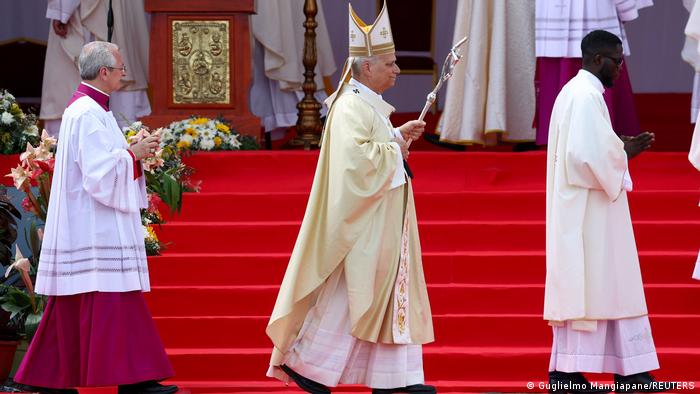
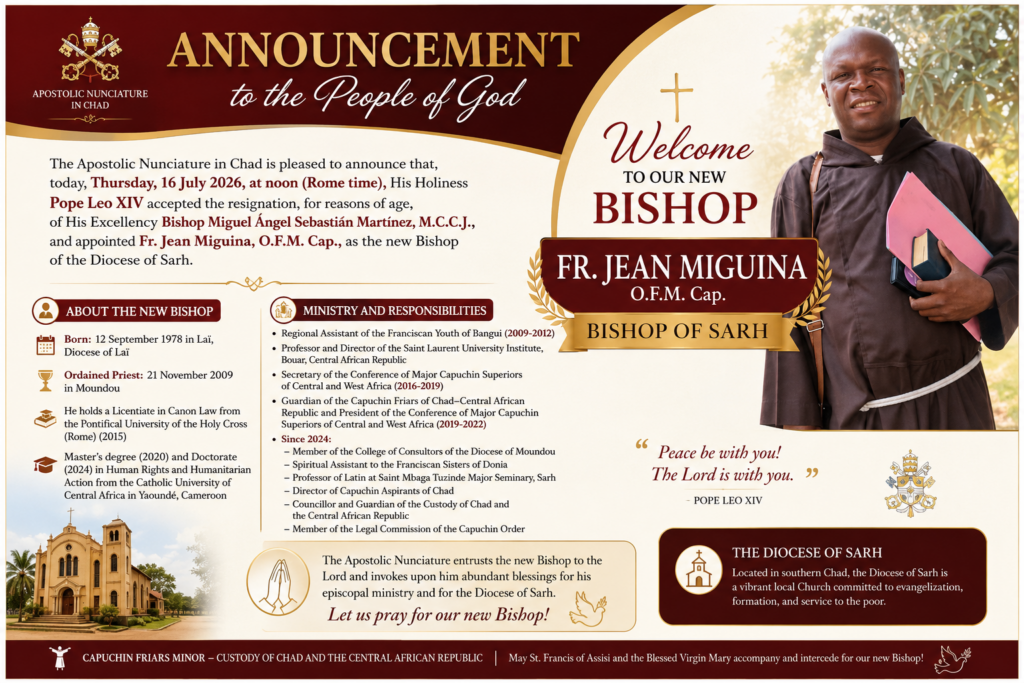
The Holy Father, Pope Leo XIV, has appointed Fr. Jean Miguina, O.F.M. Cap., as the new Bishop of the Diocese of Sarh, Chad. The appointment was officially announced by the Apostolic Nunciature in Chad on 16 July 2026, following the Holy Father’s acceptance of the resignation of Bishop Miguel Ángel Sebastián Martínez, M.C.C.J., who stepped down upon reaching the canonical age limit. The appointment marks an important moment for both the Catholic Church in Chad and the Capuchin Franciscan family, as Fr. Jean Miguina brings to the episcopal ministry extensive pastoral, academic, and administrative experience. Born on 12 September 1978 in Laï, within the Diocese of Laï, Fr. Jean Miguina was ordained a priest on 21 November 2009 in Moundou. Since his ordination, he has dedicated his ministry to pastoral service, priestly formation, higher education, and ecclesial leadership. His early ministry included serving as Regional Assistant of the Franciscan Youth of Bangui (2009–2012). In 2015, he obtained a Licentiate in Canon Law from the Pontifical University of the Holy Cross (Rome). He later served as Professor and Rector of the Saint Laurent University Institute in Bouar, Central African Republic. Within the Capuchin Order, Fr. Miguina has held numerous leadership positions. From 2016 to 2019, he served as Secretary of the Conference of Major Capuchin Superiors of Central and West Africa. Between 2019 and 2022, he was Guardian of the Capuchin Friars of Chad–Central African Republic and President of the Conference of Major Capuchin Superiors of Central and West Africa. Alongside his pastoral ministry, he pursued advanced academic studies, earning a Master’s degree (2020) and a Doctorate (2024) in Human Rights and Humanitarian Action from the Catholic University of Central Africa in Yaoundé, Cameroon. Since 2024, Fr. Jean Miguina has served as a member of the College of Consultors of the Diocese of Moundou, Spiritual Assistant to the Franciscan Sisters of Donia, and Professor of Latin at Saint Mbaga Tuzinde Major Seminary in Sarh. Within the Capuchin Custody of Chad and the Central African Republic, he currently serves as Director of the Capuchin Aspirants, Custody Councillor, Guardian, and member of the Legal Commission, reflecting the confidence placed in his pastoral judgment and canonical expertise. The Diocese of Sarh now welcomes a shepherd whose ministry has been distinguished by a commitment to evangelical service, Franciscan fraternity, priestly formation, and the promotion of justice and human dignity. The Apostolic Nunciature in Chad has invited the faithful to pray for Bishop-elect Jean Miguina as he prepares to begin his episcopal ministry. The Capuchin family throughout Africa and around the world joins the universal Church in giving thanks to God for this appointment and entrusts him to the intercession of the Blessed Virgin Mary and St. Francis of Assisi.

Tchad: Pope Leo XIV, appoints Fr. Jean Miguina, as the new Bishop of Sarh Read More »

Addis Ababa: Capuchin Formators gather for the Schola Fratrum Africa

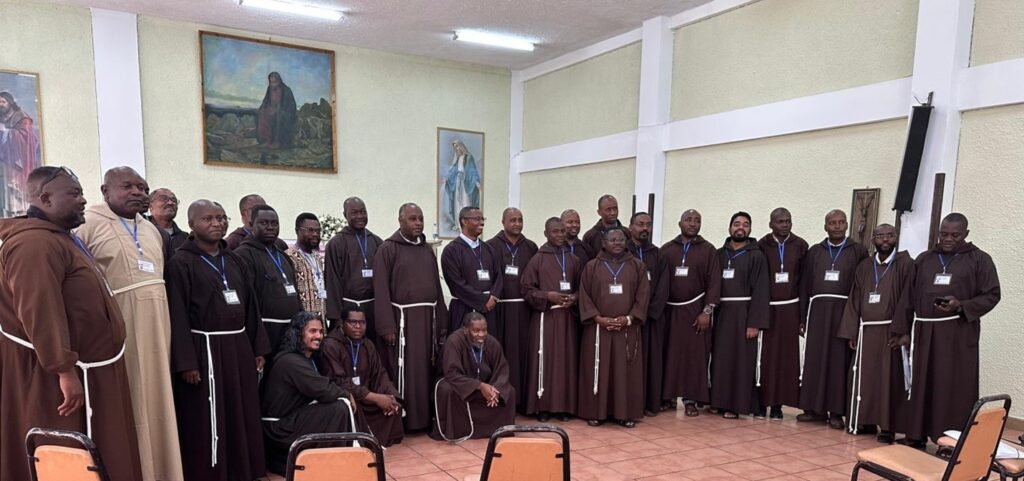
“Forming Franciscan Capuchin Witnesses for the Church in Africa and Beyond” The formation course for African Capuchin formators commenced with profound earnestness on 20 April 2026 in Addis Ababa, marking a grace-filled moment for the Order in Africa. The program will continue its formative journey till 02 May 2026, sustaining its mission of renewal and inspiration among those entrusted with the responsibility of formation. This Schola Fratrum unfolds under the guiding theme: “Forming Franciscan Capuchin Witnesses for the Church in Africa and Beyond”. It is a call to deepen our identity as lesser brothers, rooted in the Gospel and responsive to the needs of the Church and the world. The tone of the gathering was beautifully set through the Eucharistic Celebration—the source and summit of our fraternal life—from which the brothers drew spiritual strength to begin this journey. In the breaking of the Bread, the fraternity rediscovered its foundation in Christ, the perfect Formator. Br. Gabreworld delivered a deeply inspiring homily, drawing richly from the Word of God. He exhorted the formators to anchor their lives and ministry firmly in the Gospel, reminding them that authentic formation flows from a life personally transformed by the Word. His message called the brothers to become living witnesses—men whose lives speak before their words. During the inaugural session, Br. Gabreworld, once again illuminated the essential role of the formator. He emphasized the role of a formator – a companion on the journey—one who walks with the formees in discernment, humility, and fraternity. Central to this mission is the recognition that the Holy Spirit is the primary Formator, gently shaping hearts and guiding each brother toward conformity with Christ in the Capuchin Franciscan way. Br. Patrice with his presence well supported the thoughts expressed by Br. Gabreworld. The presence of Brs. Abera, Waldheim, Joaquim and Kilian, alongside other resource persons who journeyed from various regions to Addis Ababa, highlighted the Order’s deep commitment to formation. Their participation reflects a shared responsibility to nurture the minds, hearts, and spirits of those called to our life of minority, fraternity, and contemplative presence in the world. Aware of the vital importance of formation for the vitality and future of the Order, the brothers have generously committed themselves—heart, mind, and strength—to this responsibility of being exemplary formators. With renewed zeal, they seek to accompany both initial and ongoing formation, so that each brother may embody the Franciscan charism in word and deed. In this spirit, Schola Fratrum Africa stands as a beacon of hope: forming brothers who, filled with the Holy Spirit, will bear credible witness to the Gospel by living the Word of God—faithfully, joyfully, and prophetically—in Africa and beyond. This formation course is designed for formators involved in both initial and ongoing formation in African Capuchin jurisdictions, with special emphasis on initial formation as the foundational stage of Capuchin life. Through reflection on current formative challenges, participants will examine human, Franciscan, biblical, and socio-cultural dimensions of formation, assess the continuity between initial and ongoing formation – a help to identify shared priorities and concrete pathways for strengthening formation structures across African jurisdictions. 1st DAY: Monday 20 April 2nd Sy: TUESDAY 21 APRIL In a formation context, discernment and accompaniment emerge as essential biblical foundations for guiding persons in their human, spiritual, and vocational growth. Sacred Scripture presents discernment as a sustained process of listening to God’s Word, interpreting life experiences in the light of faith, and responding freely to God’s call. Accompaniment, in turn, is revealed as a patient and compassionate ministry of presence, modeled by God’s faithful guidance of Israel and fulfilled in Jesus’ attentive walking with his disciples. This session explores key biblical texts to show how discernment and accompaniment function together as formative dynamics, fostering maturity, responsibility, and freedom in those being formed. By grounding formation practices in the biblical tradition, the presentation will highlight how Scripture continues to inspire authentic pathways of growth, accountability, and mission within the life of the Church. 3rd DAY: WEDNESDAY, 22  APRIL Human formation is a progressive process that unfolds through the stages of Capuchin formation as a whole (initial and ongoing), with recurring human goals at each stage to cherish the gift of life, heal the wounds, manifest goodness and begin the process of integration. It is progressive accompanying of the brother from initial formation into ongoing formation. It addresses: These elements are revisited and deepened at different moments, rather than completed once and for all. Thus, the stages of formation in Capuchin formative journey are intentionally designed and structured to bring about integral formation and to guide a friar from initial discernment to lifelong commitment. These stages try to integrate the five dimensions of Capuchin formation—human, spiritual, intellectual, pastoral, and fraternal, which presents at the same time several challenges, especially given the holistic and deeply relational nature of Capuchin life. Each stage is designed to build upon the previous one, ensuring a holistic and gradual integration into Capuchin life. Culture plays a decisive role in the formation of Capuchin friars in Africa, shaping personal identity, community life, and the way the Franciscan charism is received and lived. Within the African context, formation is called to engage deeply with local cultural values such as communal belonging, respect for elders, storytelling, spirituality of life, and a strong sense of relationship. It is also offering critical discernment in the light of the Gospel and the Capuchin tradition. This reflection explores the dynamic relationship between culture and formation in African Capuchin settings, highlighting both the richness and the challenges that arise when diverse cultural expressions encounter the evangelical counsels, fraternal life, and mission. By fostering a dialogical and incarnational approach, Capuchin formation in Africa is invited to integrate cultural identity and Franciscan values in a way that promotes human maturity, evangelical freedom, and faithful service to the Church and society. 4th DAY: THURSDAY, 23 APRIL Vocational discernment and motivation in religious formation refer to two closely connected processes that help a person understand, embrace, and faithfully live a call
Addis Ababa: Capuchin Formators gather for the Schola Fratrum Africa Read More »

Leo XIV in Africa: Angolan Franciscan Family stands in solidarity

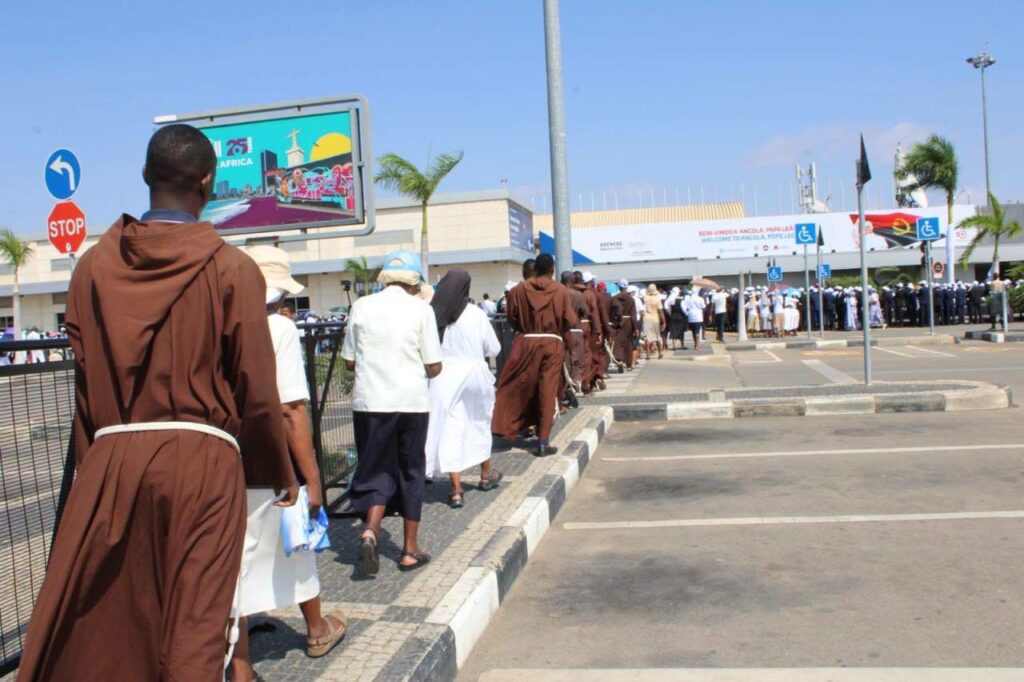
Br Elvis Gwangwava OFM Cap, CAMSA Correspondent | Bulawayo | Zimbabwe The dusty air of Luanda was charged with a rare, electric joy this past weekend as thousands gathered to witness a moment of profound spiritual history. As the “4 de Fevereiro” International Airport tarmac shimmered under the Angolan sun, the Church in Africa stood tall to welcome Pope Leo XVI. Amidst the sea of waving flags and vibrant traditional textiles, a distinct sight caught the eye of every observer: the humble, chestnut-brown habits of the Capuchin brothers and the diverse members of the Franciscan family. Their presence was not merely a ceremonial duty; it was a living testament to the unwavering support the friars hold for the Holy Father and the universal mission of the Church. A Journey of Peace Across the Continent Pope Leo XVI’s arrival in Angola on April 18th marks a pivotal chapter in his 10-day Apostolic Journey to Africa. Having started his mission on April 13th, the Holy Father has already walked with the faithful in Algeria and Cameroon. From here, he will travel to Equatorial Guinea, concluding his historic tour on April 23rd. In Luanda, the Pope was greeted by President João Lourenço and a chorus of voices that seemed to shake the very foundations of the city. But for the Franciscan family, the visit holds a deeper, more fraternal significance. The Franciscan Heart in the Crowd In the photos captured throughout the day, the friars are seen standing in solidarity with the laity—men and women whose lives are often touched by the Capuchins’ grassroots ministry. Whether standing behind security barriers or walking in procession toward the airport, the friars’ “minority”—their commitment to being small and among the people—was on full display. Why This Presence Matters The gesture of the Capuchins and the wider Franciscan family is a powerful symbol of ecclesial communion. In a world often fractured by division, the sight of the friars waiting for hours to catch a glimpse of the Pope serves as a reminder of the Franciscan vow of obedience and their historical role as defenders of the Papacy. Their presence signifies: Looking Ahead The Holy Father remained in Angola until April 21st, with his schedule including a highly anticipated meeting at the Our Lady of Fatima Parish—a site deeply connected to the Capuchin heritage in the region. As Pope Leo XVI continues his journey toward Equatorial Guinea, he leaves behind an Angolan Church revitalized by his presence. And as always, walking quietly but firmly beside him, are the friars—the brown-robed guardians of a faith that remains as vibrant and resilient as the Angolan soil itself.

Leo XIV in Africa: Angolan Franciscan Family stands in solidarity Read More »

Angola: Pope Leo’s visit, a sign of hope for Africa

Br. Agostinho Augusto | CAMSA Correspondent | Maputo | Mozambique From April 13 to April 23, Pope Leo XIV have geared up a pastoral visit to 4 countries: Algeria, Cameroon, Angola and Equatorial Guinee. This visit marks a significant moment of closeness and solidarity with the continent, particularly in a time when the world and Africa in general are raveged by conflicts, wars and injustices. Throughout the journey, the Holy Father emphasized a message of hope, dignity, and justice, meeting with local communities and encouraging the Church’s mission among those most in need. In Cameroon and Angola, where the Capuchin presence is long standing and visible in their commitment to pastoral care, education, and social outreach, the pope expressed gratitude for Church dedication to the poor and the forgotten. Across the first three countries, Pope Leo made a point of encountering the poor, the sick, the childreen and the marginalized. He visited hospitals, informal settlements, and community centers, blessed the kids along the way offering words of comfort and solidarity. In each encounter, he called for renewed compassion and practical support for those who suffer, urging both local leaders and the international community to respond with concrete action. The capuchins in these countries feel encouraged in their mission to serve the needy and those with lesser voice. Addressing both civil and ecclesial authorities in Luanda, Pope Leo warned against longstanding patterns of economic exploitation asserting that “too often your regions have been, and still are, looked upon in order to give – or more often, to take something”, he said, calling for “this chain of interests, which reduces reality and life itself to a commodity”, to be broken. After Angola, the Pope will sum up his pastoral journey to the Continent by visiting Equatorial Guinee from 21 to 23 April 2026 before returning to Rome.

Angola: Pope Leo’s visit, a sign of hope for Africa Read More »

Seychelles: Mons. Landry ordained Bishop

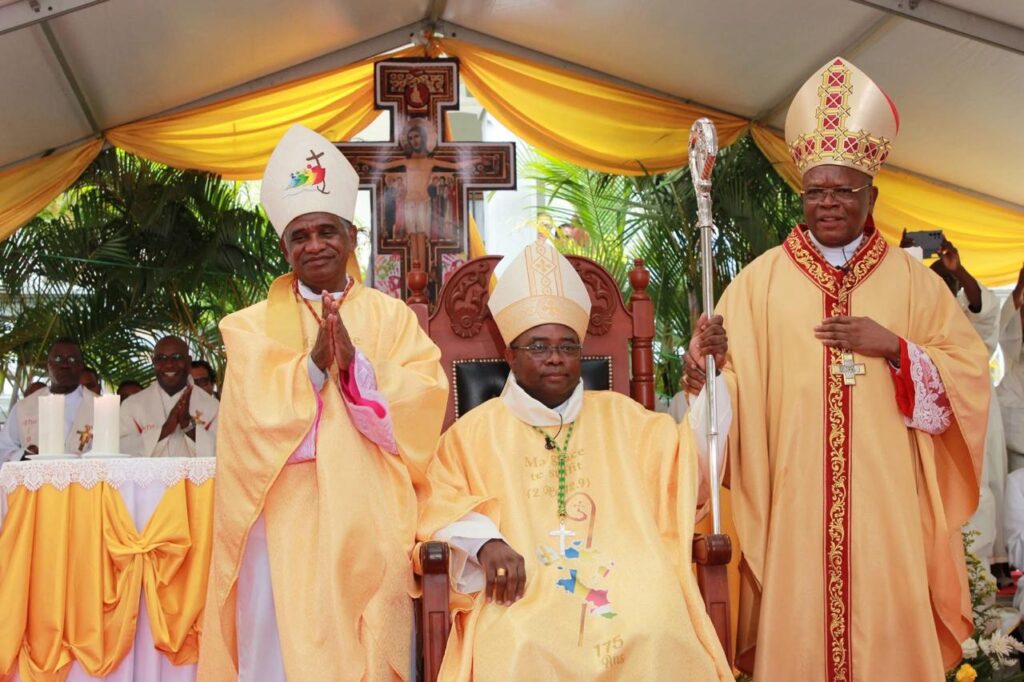
On Sunday 12th April 2026, the Church of Seychelles witnessed a unique and solemn celebration at the Immaculate Conception Cathedral. The Mass was presided by the Most Rev. Monsignor Fridolin Ambongo Besungu, Archbishop of Kinshasa and President of SECAM and was attended by the President of Seychelles Dr Patrick Herminie, First Lady Veronique Herminie, and Vice President Sebastien Pillay. The ceremony attended by many faithful highlighted the deep spiritual importance of the occasion. The ordination of Monsignor Landry Philippe Rasamison as the new Bishop of Port Victoria represents a new chapter for the Diocese. As the 11th Bishop since its establishment in 1892, he succeeds Bishop Alain Harel, who stepped down after years of dedicated service. Having served in Seychelles for 13 years as parish priest in La Misère and Anse aux Pins, and now a naturalised Seychellois, Bishop Rasamison begins his mission of guiding the spiritual life of the Diocese under the blessing and leadership present at this sacred ceremony. The event brought together clergy, government officials, and members of the faithful in a strong spirit of unity, faith, and national cohesion. Tribute was also paid to Bishop Alain Harel for his valued contribution to the Church and the Seychellois people. In a statement following a meeting with the President on matters related to education of the youth, the newly ordained Bishop stated: «We must continue to invest in our young people. When they are given a place and properly guided, it is the country as a whole that benefits. The Church does not intend to introduce anything new, but is simply seeking to exercise its established rights. In a context where there are multiple faith based beliefs, the emphasis is on mutual respect».

Seychelles: Mons. Landry ordained Bishop Read More »

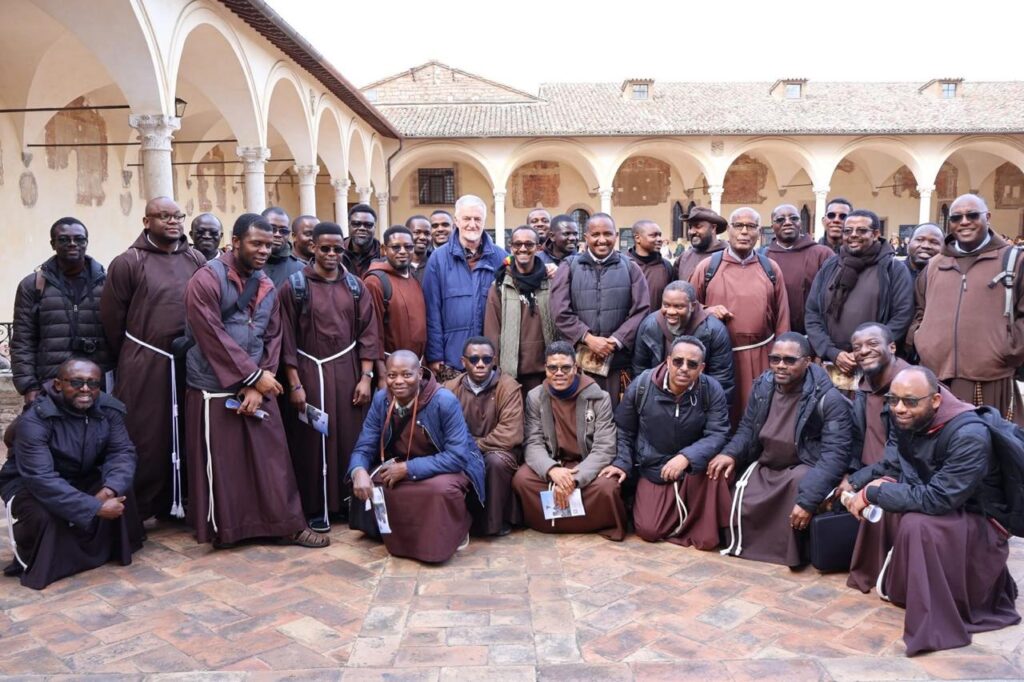
African friars at the Sacro Convento in Assisi-Italy

Assisi: African Capuchin friars at the franciscan jubilee year

On March 14, 2026, Capuchin Friars from various Capuchin circumscriptions across Africa gathered in the sacred city of Assisi for a deeply moving pilgrimage marking the Franciscan Jubilee Year proclaimed by Pope Leo XIV in honour of the 800th Anniversary of the Death of St Francis of Assisi. In announcing this special Jubilee, the Holy Father invited the entire Church to celebrate the Year of Saint Francis from January 10, 2026, to January 10, 2027, encouraging all Christian faithful to rediscover the spirit of the 𝘗𝘰𝘷𝘦𝘳𝘦𝘭𝘭𝘰: “𝘁𝗵𝗶𝘀 𝗬𝗲𝗮𝗿 𝗼𝗳 𝗦𝗮𝗶𝗻𝘁 𝗙𝗿𝗮𝗻𝗰𝗶𝘀 𝘄𝗶𝗹𝗹 𝗶𝗻𝘃𝗶𝘁𝗲 𝗯𝗲𝗹𝗶𝗲𝘃𝗲𝗿𝘀 𝗮𝗻𝗱 𝗰𝗼𝗺𝗺𝘂𝗻𝗶𝘁𝗶𝗲𝘀 𝘁𝗼 𝗿𝗲𝗱𝗶𝘀𝗰𝗼𝘃𝗲𝗿 𝘁𝗵𝗲 𝘄𝗮𝘆 𝗼𝗳 𝗹𝗶𝗳𝗲 𝗼𝗳 𝘁𝗵𝗲 𝗦𝗮𝗶𝗻𝘁 𝗼𝗳 𝗔𝘀𝘀𝗶𝘀𝗶: 𝗮 𝗹𝗶𝗳𝗲 𝘁𝗵𝗮𝘁 𝗶𝘀 𝘀𝗶𝗺𝗽𝗹𝗲 𝗮𝗻𝗱 𝗲𝘀𝘀𝗲𝗻𝘁𝗶𝗮𝗹, 𝗼𝗽𝗲𝗻 𝘁𝗼 𝗽𝗲𝗮𝗰𝗲, 𝗳𝗿𝗮𝘁𝗲𝗿𝗻𝗶𝘁𝘆, 𝗮𝗻𝗱 𝗿𝗲𝘀𝗽𝗲𝗰𝘁 𝗳𝗼𝗿 𝗰𝗿𝗲𝗮𝘁𝗶𝗼𝗻.” This extraordinary Jubilee continues the spiritual momentum of the Jubilee Year 2025, offering the faithful an opportunity for renewal through prayer, conversion, and pilgrimage. The Apostolic Penitentiary has also granted plenary indulgence, under the usual conditions, to those who devoutly participate in the celebrations during this sacred year. For us, African Capuchin friars, this invitation became a concrete journey of faith as we traveled together to Assisi, the birthplace and final resting place of our Seraphic Father. 𝐀 𝐏𝐢𝐥𝐠𝐫𝐢𝐦𝐚𝐠𝐞 𝐨𝐟 𝐅𝐫𝐚𝐭𝐞𝐫𝐧𝐢𝐭𝐲 Coming from diverse regions of Africa, each marked by its culture, struggles, and hopes, we arrived in Assisi united by a common Franciscan vocation. Walking through the narrow streets and viewing the ancient stones of this holy town in our walk from 𝘋𝘰𝘮𝘶𝘴 𝘓𝘢𝘦𝘵𝘪𝘵𝘪𝘢 through the Basilica of St Clare of Assisi to the Papal Basilica of St Francis of Assisi, we were reminded that eight centuries ago a young man named Francis began a radical journey of conversion that would transform the Church and inspire generations across the world. Our pilgrimage reached its spiritual climax at the Basilica of St Francis of Assisi, where we gathered in prayer before the holy remains of the Poor Man of Assisi exposed for veneration. We entrusted our fraternities, our missions, and the people we serve throughout Africa to his powerful intercession. In that moment of silence and contemplation, we felt deeply connected not only to the history of the Franciscan Order but also to the universal fraternity that Saint Francis envisioned—a brotherhood that embraces every nation, every creature, and every corner of the world. 𝐀 𝐂𝐚𝐥𝐥 𝐭𝐨 𝐑𝐞𝐧𝐞𝐰𝐚𝐥 𝐟𝐨𝐫 𝐀𝐟𝐫𝐢𝐜𝐚 The Franciscan Jubilee year comes at a particularly meaningful time for the Capuchin Friars of Africa as we prepare for a Pan-African Meeting scheduled for February 2027. The pilgrimage, therefore, was not only an act of devotion but also a moment of discernment. Standing before the Remains of St Francis, we contemplated how the Franciscan charism can continue to manifest within the African context. Our continent faces many challenges, conflicts, poverty, ecological crises, and social inequalities, but it is also rich in faith, communal spirit, and resilience. The life of St Francis calls us to embody fraternity, peace, humility, simplicity, and care for creation. These values resonate profoundly with many African cultural traditions, making the Franciscan message both timely and transformative. As friars in Africa, we commit to embodying reconciliation and peace, walking with the poor and marginalised, inspired by St. Francis. Walking in the Footsteps of our Seraphic Father, St Francis This Franciscan Jubilee invites us not merely to remember St Francis but to imitate him. His life was a living Gospel, one that proclaimed the love of Christ through humility, service, and joy. Our pilgrimage to Assisi has strengthened our resolve to carry that same spirit back to our communities and ministries across Africa. As we continue our journey toward the Pan-African gathering in 2027, we pray that the Jubilee year will deepen our Franciscan identity and inspire new forms of evangelical witness. May the example of St. Francis of Assisi continue to guide us, and may his intercession help us live authentically the values of the gospel in the realities of our continent. We entrust our vocation, fraternity, and mission to the Lord through the prayers of the 𝘗𝘰𝘷𝘦𝘳𝘦𝘭𝘭𝘰, confident that Franciscan spirituality will shine brightly in Africa and beyond.he world. Amen Br. 𝐄𝐦𝐦𝐚𝐧𝐮𝐞𝐥 𝐈𝐝𝐚𝐤𝐰𝐨 𝐎𝐅𝐌 𝐂𝐚𝐩.

Assisi: African Capuchin friars at the franciscan jubilee year Read More »

TOWARDS PANAF 2027: CAPUCHINS IN AFRICA PREPARE FOR A HISTORIC CONGRESS

«We hope the Congress will mark a historic milestone in the way we conceive our mission and charism among the beloved faithful of Africa.» Br. Agostinho Augusto, OFMCap. From 1 to 6 February 2027, the Friars Minor Capuchins in Africa will host the Pan-African Congress in Addis Ababa, Ethiopia. The Congress, which is expected to contribute to the “future journey of the Capuchins” in Africa and to “become a significant moment for the animation of other parts of the world,” has already begun to resonate strongly in various circumscriptions across the continent, with initial preparations already underway. Following the convocation of the Pan-African meeting by the General Minister, Br. Roberto Genuin, on 20 January 2026, CAMSA gathered to outline the major steps to be taken towards the celebration of the Pan-African Congress. In a letter addressed to all the brothers in Africa, the CAMSA President, Br. Arnold Shirima, stated that the Commission has so far been engaged in “approving the budget, authorizing the final version of the logo, the prayer, the timetable, and the questionnaires prepared by the resource personnel.” Alongside this work, both the Commission and the Assembly have been working on establishing timelines for the distribution of the questionnaires, the collection of feedback, the compilation and summarization of responses, and their submission to the resource personnel. So far, the various circumscriptions in Africa are working on their responses to the questionnaires, which are expected to be submitted to the Commission by 30 April 2026. In the meantime, a Communication Commission, composed of five brothers, is working tirelessly to gather information from across the circumscriptions, produce multimedia content, and publish all relevant information on the CAMSA website (www.camsafrica.org) and other African social media platforms created specifically for the Pan-African meeting and other related events to come. Currently, the Communication team is focused on providing information to all the brothers and engaging, in particular, the houses of formation scattered across the vast continent. The aim is to encourage the involvement of many young brothers and challenge them to contribute with articles, videos, and other content useful for promoting the event among the friars. As Br. Agostinho Augusto, Communication Director, puts it: “Our aim is to ensure that no brother remains unaware or left behind with regard to participation in this important event among the Capuchins in Africa, which we hope will mark a historic milestone in the way we conceive our mission and charism among the beloved faithful of Africa.” Regarding the timeline established by the Assembly, some circumscriptions have already begun submitting their responses to the relevant Commission, while others are still in progress. Although there are challenges related to communication, efforts are being made at both the CAMSA and Commission levels to overcome these obstacles and ensure a smooth flow of information and work.

TOWARDS PANAF 2027: CAPUCHINS IN AFRICA PREPARE FOR A HISTORIC CONGRESS Read More »

Angola: General Minister appoints new Provincial

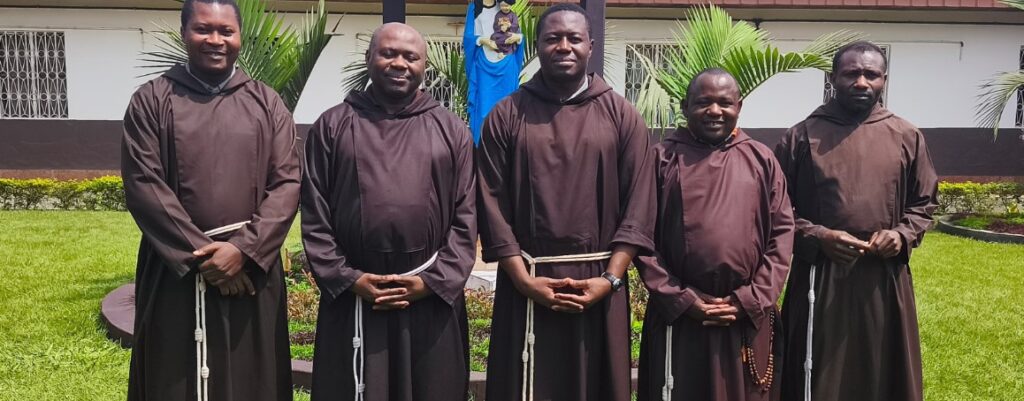
Having consulted the General Council, the General Minister Fr Roberto Genuin has appointed Fr. Pietro Tosato as the new Provincial Minister of Angola. The appointment dated 29th January 2026 includes the nomination of the following Council: Fr Pietro Tosato (Provincial Minister), Fr Afonso André Nteka (Provincial Vicar), 2C: Fr. Barnabé Chama Mbenza Ngana, 3C: fr. Moisés Lucondo, 4C:  fr. Joaquim Valeriano Fula Carlos. The appointment will take effect from February 1st, 2026. Fr Pietro Tosato is a Capuchin Missionary from the Province of Venice (Italy). He worked for several years as a missionary in Angola before heading to Mozambique where he served as Custos of Mozambique and later on as Apostolic Administrator of the Diocese of Quelimane. We wish Fr Pietro and his Council a fruitful ministry.

Angola: General Minister appoints new Provincial Read More »

Cameroon: new Council for the Custody

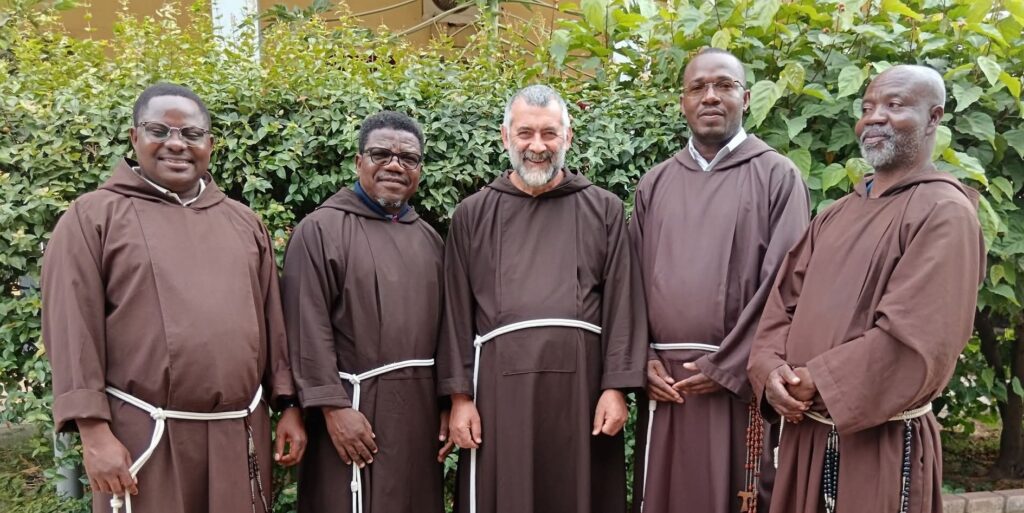
The Capuchin Friars of the Custody of Cameroon have elected new friars to service the Order for the next three years (2026-2029). They are: Fr Terence Sahven Lukong (Custos), 1C:  fr. Derick Ajeande Ajende, 2C:  fr. Amos Bamenjoh Bongdin, 3C:  fr. Valantine Fuhnwi, 4C:  fr. Christopher Mbiyndzelah Shyghan. The new Council was elected during the celebration of the Chapter which was held at Saint Francis Convent of Bambui (Bamenda), Cameroon on 29 january 2026 and presided by Fr. Angelo Borghino, Provincial Minister of Lombardia (Italy). We wish the new elected a wonderful service to the Order.

Cameroon: new Council for the Custody Read More »

Cote d’Ivoire: elected new Council

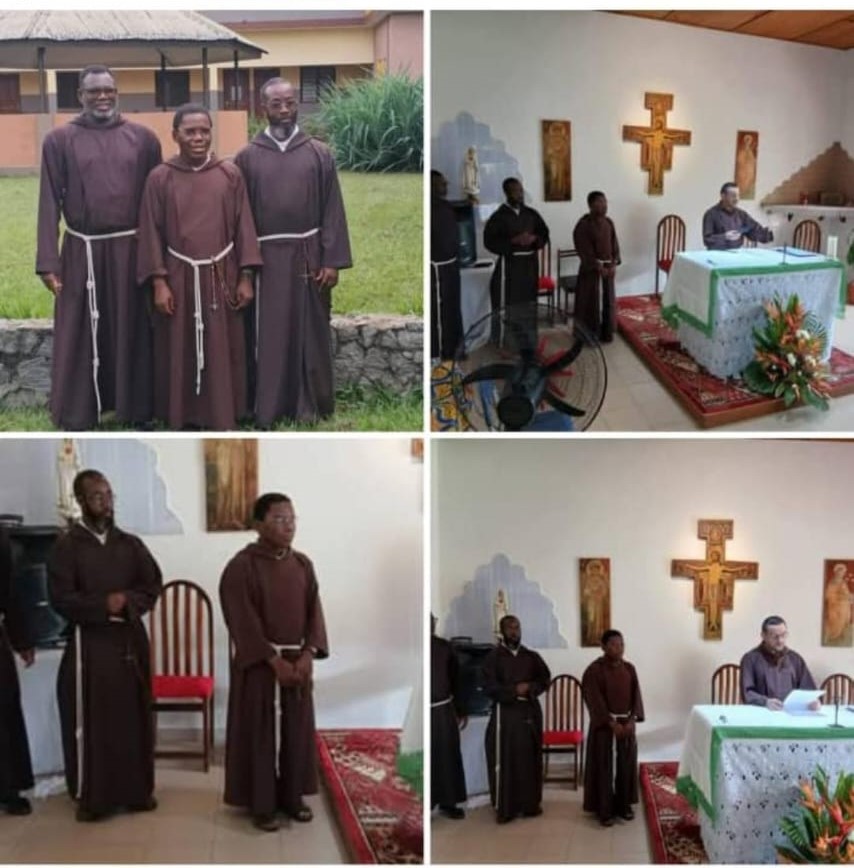
The entire Custody of Cote d’Ivoire from left to right, we have Fr. Louis Diarrasouba, 2nd Councilor: Fr. Basile Azemo Choki, Custos: Fr. Etienne Malieh Bamba, advisor. They were freshly elected during the Custodial Chapter which took place on January 22, 2026. We congratulate them and wish them a good continuation for their various ministeries in the animation of the Order.

Cote d’Ivoire: elected new Council Read More »